How To Live To 100 Years Old
Blue Zones aren’t just exotic travel destinations, they’re real-life proof that small, everyday choices can make a huge difference in how long and how well we live. Researchers have pinpointed five regions where people routinely reach 100 years old: Ikaria in Greece, Okinawa in Japan, Sardinia’s Ogliastra region in Italy, Loma Linda in California, and Costa Rica’s Nicoya Peninsula. In these communities, living to 100 isn’t unusual, and many folks stay physically active and mentally sharp well into later life.
So what's the secret of living to 100 years old? The answer is: nothing complex.
What’s fascinating is that these populations highlight patterns that line up perfectly with broader longevity research: moving regularly, eating nutrient-rich plant-based foods, getting good sleep, managing stress, and staying emotionally connected all help us live longer, healthier lives. And the great news? You don’t have to move to a remote Greek island to adopt these habits, they work anywhere.

Blue Zones at a Glance
Ikaria, Greece: Residents follow a Mediterranean diet rich in olive oil, and homegrown vegetables.
Ogliastra, Sardinia, Italy: Known for exceptionally long-lived men, people work on farms, live in the mountains, and enjoy moderate red wine.
Okinawa, Japan: Home to the world’s oldest women, the diet is soy-heavy, and daily practices like tai chi support movement and mindfulness.
Nicoya Peninsula, Costa Rica: The diet centres on beans and corn tortillas, people stay active through physical work, and a strong sense of purpose (“plan de vida”) guides life.
Loma Linda, California, USA: Seventh-day Adventists are mostly vegetarian, deeply religious, and live in close-knit communities that promote healthy lifestyles.
Move More, the Blue Zone Way
In Okinawa and Sardinia, people rarely “work out” in the gym sense. Instead, movement is just part of daily life. Walking to see neighbours, tending gardens, carrying shopping, or climbing hills happens naturally, no fancy equipment needed.
Researchers call this Non-Exercise Activity Thermogenesis, or NEAT. It’s gentle, but over time, it keeps muscles active, improves insulin sensitivity, and reduces the kind of chronic inflammation that fuels heart disease and diabetes.
Think of it as “movement snacks”. Take the stairs, walk while on calls, carry your own bags, or hop off public transport a stop early. Those small bursts add up, mimicking the Blue Zone pattern of more steps, less sitting, and steadier metabolism. Long-term studies show this simple approach supports cardiovascular health, lowers frailty, and even boosts life expectancy.

Plant-Powered Plates
Diet is one of the clearest Blue Zone patterns. Nearly every meal is plant-based, overflowing with leafy greens like spinach, kale, beet tops, chard, and collards, plus seasonal vegetables, fruits, whole grains, beans, nuts, seeds, yams, and sweet potatoes. Olive oil is the main added fat, used modestly and consistently. Foods are simple, minimally processed, and often preserved using traditional methods such as fermenting, drying, or pickling.
Aligning with this, Large UK cohort studies suggest that switching from a processed-food-heavy diet to one rich in whole grains, beans, nuts, and fruit could extend life expectancy at age 40 by nearly a decade.
Additionally, animal products are secondary in the Blue Zones. Meat is rare, about 60g up to five times per month, usually as a celebratory side or flavouring. Fish comes in small portions of low-mercury types like sardines or anchovies, two to three times per week. Dairy is mostly fermented goat or sheep milk, and eggs appear no more than two to four times weekly.
Beans are a real superstar. Eaten daily, often at least half a cup cooked, they provide protein, fibre, complex carbs, and micronutrients that stabilize energy and control appetite. Beans account for roughly 21 percent protein and 77 percent complex carbohydrates and show up about four times more in Blue Zone diets than in typical Western diets.
Nuts are another consistent feature. Many people eat the equivalent of two small handfuls per day of almonds, walnuts, or pistachios. Observational studies suggest this habit can add two to three years to life expectancy. Bread is usually sourdough or 100 percent whole wheat, lowering glycaemic load and improving mineral absorption. Added sugar stays below seven teaspoons per day, and snacking is rare or limited to whole foods.
A simple plate rule works well: half vegetables, a quarter beans or lentils, a quarter whole grains, plus healthy fats from nuts or olive oil, sometimes up to six tablespoons per day. Eating this way naturally replaces ultra-processed foods and supports metabolism, heart health, and longevity.

Quiet Habits That Shape Long-Term Health
Longevity researchers often highlight three deceptively simple habits: choosing tea over coffee, avoiding too much iron, especially from supplements, and flossing regularly. They may sound minor, but the science behind them is powerful.
Tea, especially black or green, is packed with polyphenols that support heart and metabolic health. They may also help regulate iron absorption, which matters because excess iron can act as a pro-oxidant, producing reactive molecules that speed up cellular aging and damage blood vessels and organs. This isn’t a call for chronically low iron, deficiency carries its own risks, but it does suggest that high-dose iron supplements aren’t always necessary. Compounds like lactoferrin - found in all of Leapfrog's supplements - are interesting because they bind iron and help maintain healthy levels naturally.
Flossing is another small habit with outsized impact. Chronic gum inflammation isn’t just a dental issue, it’s linked to higher risks of heart disease and cognitive decline. Flossing reduces inflammation and bacterial load in the mouth, limiting the spillover of inflammatory signals into the bloodstream and quietly lowering long-term risk.

Happiness and Longevity: More Than a Smile
You’ve probably heard that happier people live longer. The truth is more nuanced. Happiness itself isn’t a magic bullet. Instead, cheerful people usually have better physical health, mental resilience, and healthier lifestyles.
Blue Zones show how environment matters. People feel needed and embedded in communities, supported by family, and able to contribute. This naturally boosts mood, reduces depression, and reinforces healthy behaviours.
Simple takeaways: share meals, have at least one meaningful conversation daily, participate in community activities, and maintain routines that give you a sense of purpose and competence. Happiness isn’t just feel-good fluff, it’s a visible sign that your body, mind, and social life are in balance.
Sleep, Stress, and the Art of Recovery
Blue Zone communities protect the nervous system. In Ikaria, afternoon naps are normal. In Loma Linda, quiet reflection and community rituals help reduce stress. Chronic stress and poor sleep disrupt hormones, spike inflammation, and accelerate aging.
You don’t need perfection. High-impact strategies include maintaining a regular sleep-wake schedule, dimming lights and screens before bed, and pairing an evening herbal tea with a short wind-down, like stretching, journaling, or breathwork.
Even small improvements in sleep quality lower cardiometabolic risk, enhance mood, and strengthen immunity. When combined with daytime movement and nutrient-dense meals, these habits create a virtuous cycle: move more, sleep better, regulate hormones, and let your body repair itself overnight.
Leapfrog IMMUNE and SNOOZE: Blue Zone Allies
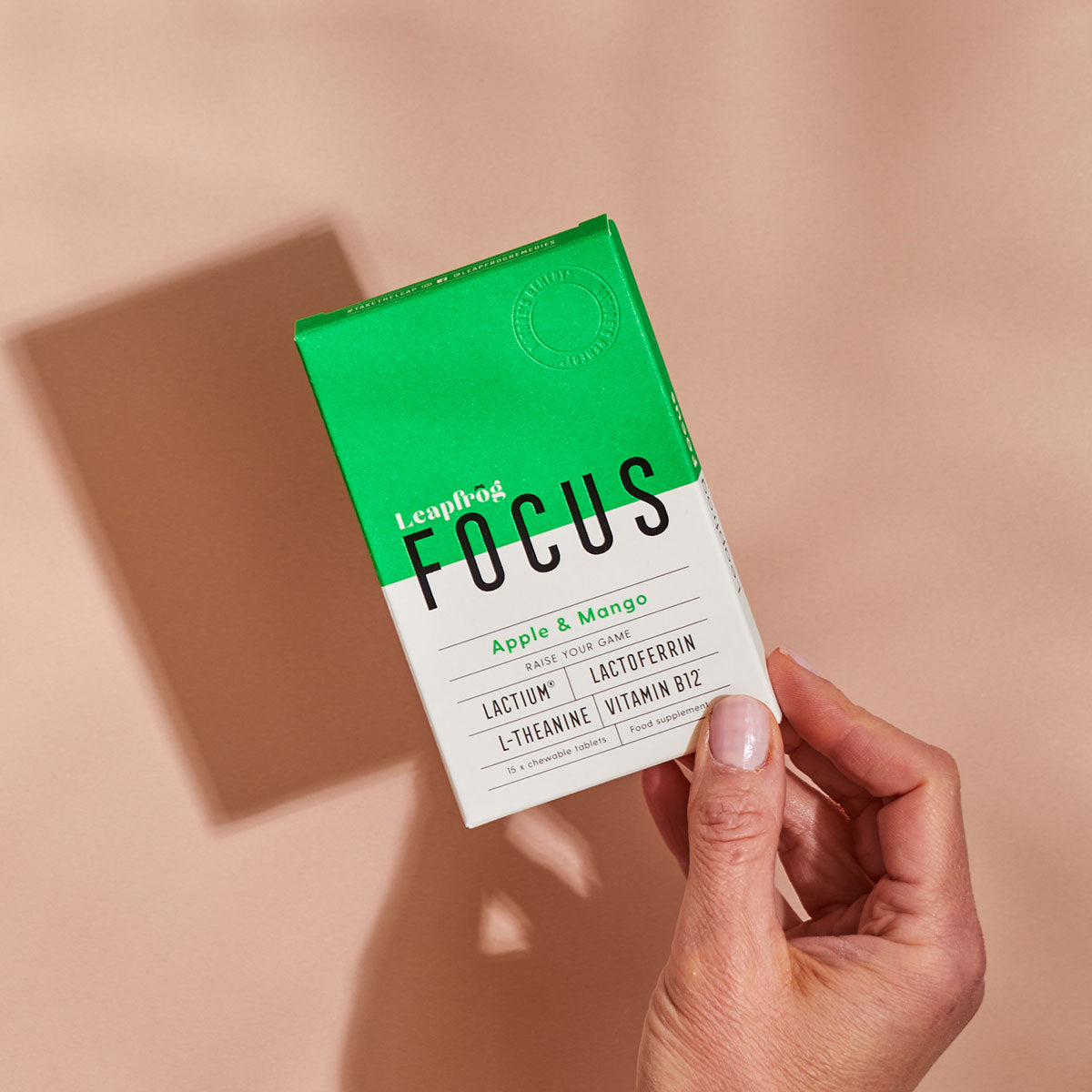
Leapfrog supplements can support the same physiological pathways that help Blue Zone populations thrive.
IMMUNE contains lactoferrin, zinc, and vitamin C to bind excess iron, reduce inflammation, and lower infection risk, echoing the protective role of tea in Blue Zones.
SNOOZE combines lactoferrin, Lactium®, and vitamin B6 to support deeper, restorative sleep, reducing night-time awakenings and fatigue, similar to Ikaria’s afternoon naps, without melatonin.
Together, these supplements complement a nutrient-rich diet, natural movement, restful sleep, and stress-limiting habits to enhance healthspan and support long-term vitality.

Reference list
Almekinder, E. (2020). The N.E.A.T. Way to Exercise for a Longer, Healthier Life. [online] Blue Zones. Available at: https://www.bluezones.com/2020/01/the-neat-way-to-exercise-for-a-longer-healthier-life/.
Blue Zones. (2015). Food Guidelines - Blue Zones. [online] Available at: https://www.bluezones.com/recipes/food-guidelines/.
Buettner, D. and Skemp, S. (2016). Blue Zones: Lessons from the World’s Longest Lived. American Journal of Lifestyle Medicine, [online] 10(5), pp.318–321. doi:https://doi.org/10.1177/1559827616637066.
Cappuccio, F.P., D’Elia, L., Strazzullo, P. and Miller, M.A. (2010). Sleep Duration and All-Cause Mortality: A Systematic Review and Meta-Analysis of Prospective Studies. Sleep, [online] 33(5), pp.585–592. doi:https://doi.org/10.1093/sleep/33.5.585.
Caruso, C., Accardi, G., Aiello, A., Calabrò, A., Zarcone, R. and Candore, G. (2025). The longevity of blue zones: myth or reality. Translational Research in Gerontology and Geriatrics, 73, pp.70–81. doi:https://doi.org/10.36150/2499-6564-N865.
Chang Woo Song, Kay, P., Xinyi Gwee, Wee, S.-L. and Tze Pin Ng (2023). Happy people live longer because they are healthy people. BMC Geriatrics, 23(1). doi:https://doi.org/10.1186/s12877-023-04030-w.
Fadnes, L.T., Celis-Morales, C., Økland, J.-M., Parra-Soto, S., Livingstone, K.M., Ho, F.K., Pell, J.P., Balakrishna, R., Javadi Arjmand, E., Johansson, K.A., Haaland, Ø.A. and Mathers, J.C. (2023). Life expectancy can increase by up to 10 years following sustained shifts towards healthier diets in the United Kingdom. Nature Food, [online] 4(11), pp.961–965. doi:https://doi.org/10.1038/s43016-023-00868-w.
Pes, G.M., Tolu, F., Poulain, M., Errigo, A., Masala, S., Pietrobelli, A., Battistini, N.C. and Maioli, M. (2013). Lifestyle and nutrition related to male longevity in Sardinia: An ecological study. Nutrition, Metabolism and Cardiovascular Diseases, 23(3), pp.212–219. doi:https://doi.org/10.1016/j.numecd.2011.05.004.
Ramakrishnan, V. (2024). Why We Die. HarperCollins, p.45.
Shen, X., Wu, Y. and Zhang, D. (2016). Nighttime sleep duration, 24-hour sleep duration and risk of all-cause mortality among adults: a meta-analysis of prospective cohort studies. Scientific Reports, 6(1). doi:https://doi.org/10.1038/srep21480.
Song, M., Fung, T.T., Hu, F.B., Willett, W.C., Longo, V.D., Chan, A.T. and Giovannucci, E.L. (2016). Association of Animal and Plant Protein Intake With All-Cause and Cause-Specific Mortality. JAMA internal medicine, 176(10), pp.1453–1463. doi:https://doi.org/10.1001/jamainternmed.2016.4182.