6 Practical Ways to Beat The Winter Blues
When the clocks change and daylight fades, life can start to feel heavier. You might sleep more but still feel tired, crave sweets in the afternoon, cancel plans, and find simple tasks unusually hard. This seasonal slump is known as Seasonal Affective Disorder (SAD) or the winter blues, and it can affect both adults and children. Remember, these feelings are common and can be managed. With a few helpful habits and the right support, you can get through this season with more resilience.
What Seasonal Affective Disorder Really Looks Like
SAD is a type of depression that follows a seasonal pattern, most often starting in autumn or winter and easing in spring. Typical signs include low mood, loss of interest, fatigue, increased sleep, carb and sweet cravings, and difficulty concentrating for weeks at a time.
Most people sit somewhere on the spectrum with the winter blues: feeling flatter, more tired, and less social when daylight shrinks, but still able to function. The common thread is that darker days act like a symphony thrown off-tempo, causing our internal body clock, sleep, hormones, and immune responses to lose their harmony. This disruption affects how we feel and behave throughout the season.
In children and teens, it can look more like irritability, meltdowns, school struggles, and a desire to withdraw. If your mood stays low for two weeks or more, it is important to talk to a GP or mental health professional to distinguish whether it might be SAD or just the winter blues.

Why Winter Overloads Your Mood, Body and Immune System
As daylight fades, your internal body clock receives fewer bright light cues that normally keep sleep, hormones, appetite and mood in sync. This circadian jet lag affects far more than how you feel emotionally. It also influences how your immune system behaves, because many immune processes follow a daily rhythm anchored by light and sleep. When that rhythm slips, inflammatory signals can become less tightly regulated, which may leave you feeling more achy, run down and vulnerable to infections, as well as low in mood.
Melatonin (the night-time signal) and serotonin (a key mood messenger) both interact with immune cells, so the winter shifts that leave you more tired, craving carbohydrates and emotionally flat can also affect how well your body responds to bugs. More time indoors means greater exposure to other people’s viruses, and stress often rises with end-of-year pressure. Prolonged stress can dampen parts of the immune defence system while increasing background inflammation, and this combination is linked with higher infection risk and lower mood.
All of this creates a familiar winter cascade and cycle: low light disrupts sleep and mood, weakened immunity leaves you feeling run down and exhausted, and that tiredness feeds straight back into lower mood again.
Your Four-Pillar Winter Wellbeing Framework
• Light
• Movement
• Sleep
• Nourishment
Each pillar is simple on its own, but together they create a framework that helps you feel more like yourself, even when the weather does not cooperate.

Small Daily Habits That Make a Big Winter Difference
1. Chase morning light
Get outside within one to two hours of waking, even for 10 to 20 minutes. Natural light is far more powerful than indoor bulbs for resetting your body clock and lifting your mood.
At home or school, open blinds fully during the day, sit near windows where possible, and, if recommended by a clinician, consider a medically approved light box for diagnosed SAD.
2. Move your body
Treat movement like medicine: walks, runs, active play with children, dancing in the kitchen or short home workouts all support mood chemistry and sleep.
For children, try five-minute games before school, after-school park time or indoor obstacle courses when it is pouring outside.
3. Protect your sleep window
Aim for regular bed and wake times (even at weekends) to stabilise your circadian rhythm.
Create a simple wind-down routine: dimmer lights, screens on night mode or away, and something calming like reading, meditation, stretching or a warm bath.
4. Nourish mood and immunity
Build meals around whole foods: colourful plants, quality protein, healthy fats and whole grains. These better support steadier energy and brain function than a cycle of sugar highs and crashes.
In winter, many people need extra vitamin D because sun exposure is limited. This nutrient is important for immune function and has links to mood. Follow local guidance or speak with a clinician about what is right for you.
5. Stay connected and create structure
Book in small, low-pressure plans: a weekly walk, a regular call with a friend or a family games night. When motivation drops, having gentle routines already in place makes it much easier to join in.
For children, predictable school and home routines, visual schedules and gentle check-ins such as asking how their mood is out of ten help adults spot seasonal patterns early.

The Holy Trinity for Winter Wellbeing: IMMUNE, FOCUS and SNOOZE
Leapfrog's IMMUNE, FOCUS and SNOOZE align with the four wellbeing pillars, which are often affected by SAD and the winter blues. The products are suitable for both adults and children, providing practical help alongside core wellbeing strategies.
IMMUNE blends lactoferrin with zinc and vitamin C to back up your immune system when colds and viruses are circulating. Fewer bugs mean fewer energy crashes, less disrupted sleep and more bandwidth to follow through with mood-protective habits like light exposure, movement and connection.
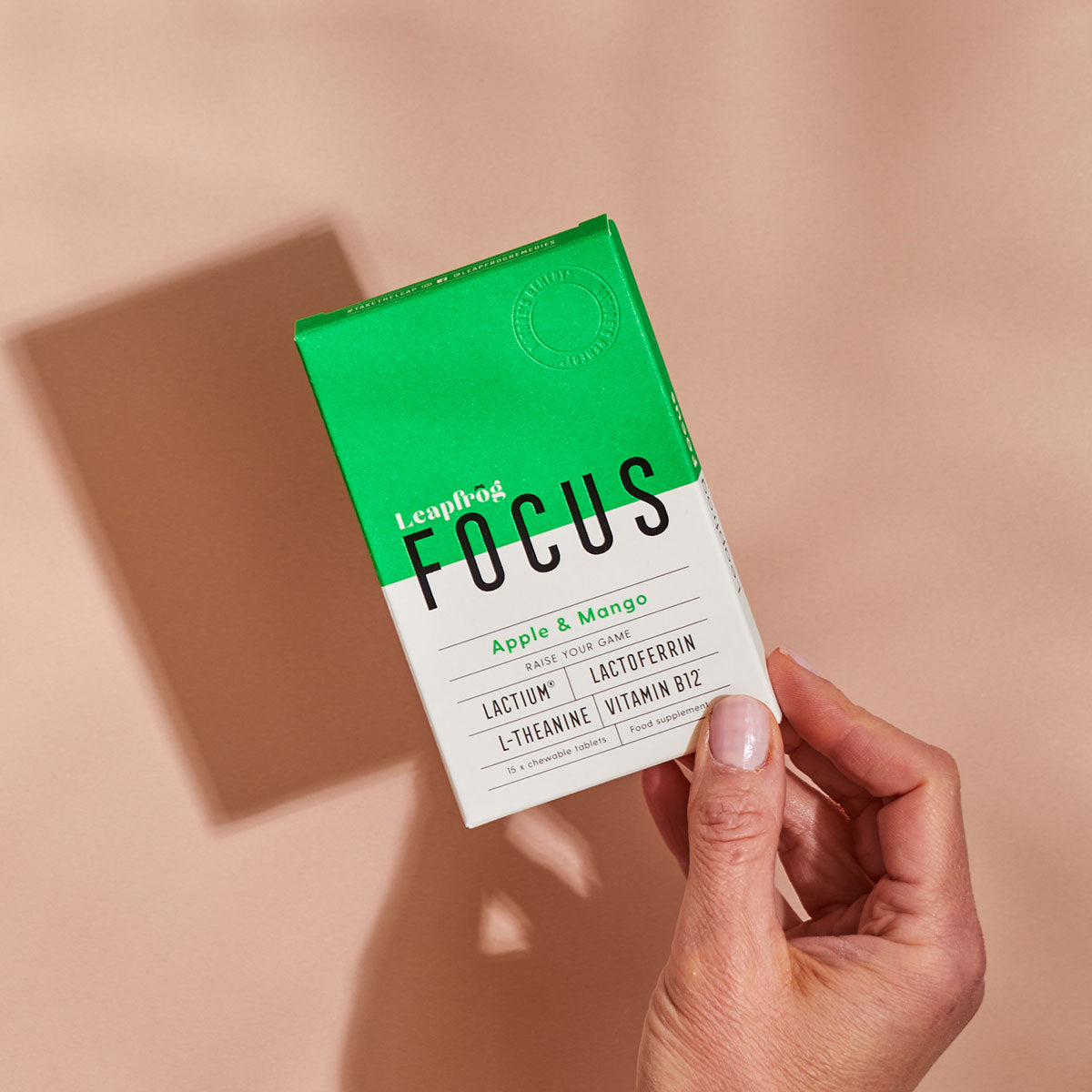
FOCUS supports concentration and mental clarity, the exact capacities that often dip when daylight shrinks, and winter brain fog appears. On days when motivation is low and everything feels harder, FOCUS helps you shift into a more productive mindset for work, study or everyday tasks.
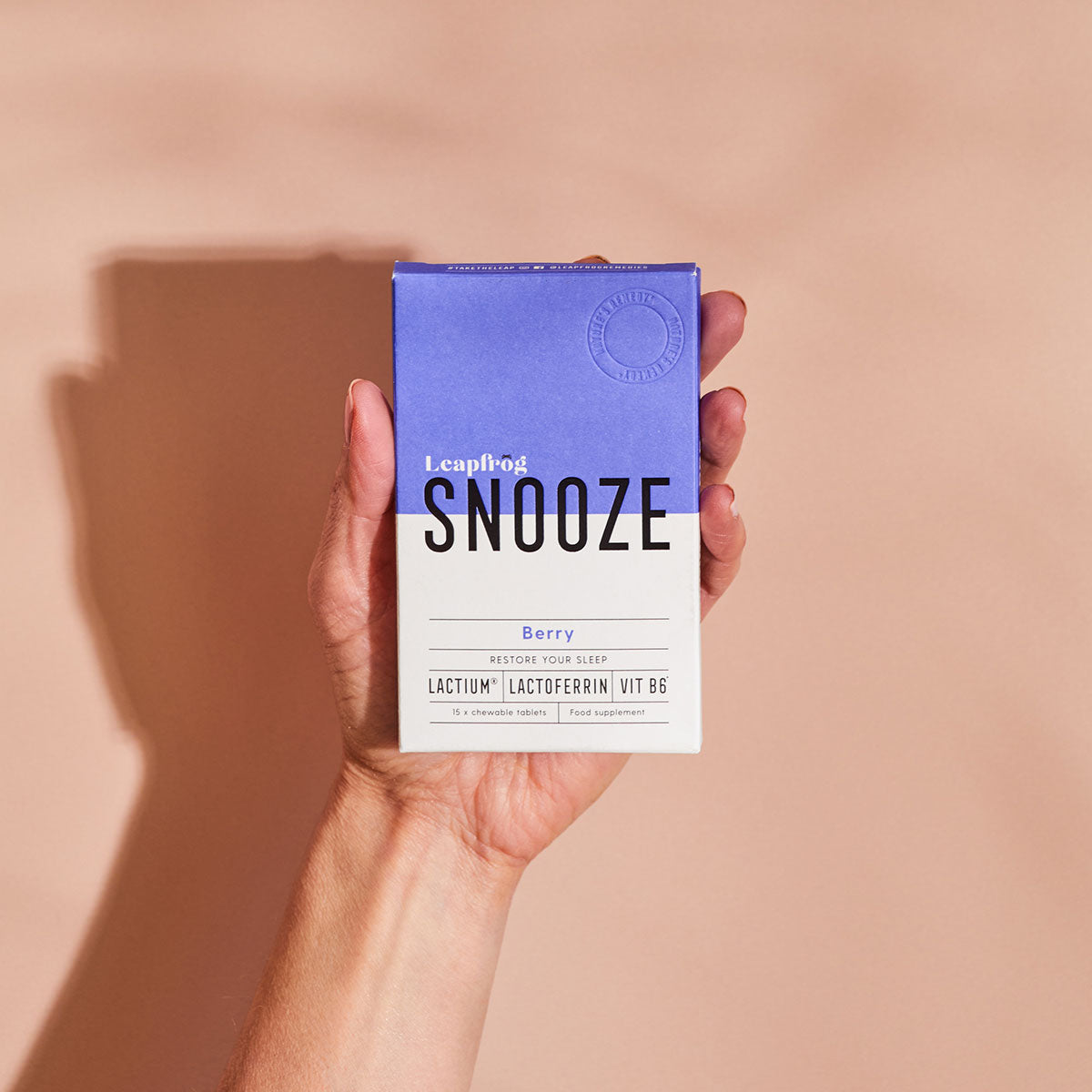
SNOOZE completes the trio by supporting deeper, more restorative sleep. Quality sleep anchors your body clock, steadies mood and strengthens immune responses, all of which winter routinely challenges.
Remember: brighter days start with small habits and the right support, even in the darkest months.
Reference list
Drew, E.M., Hanson, B.L. and Huo, K. (2021). Seasonal affective disorder and engagement in physical activities among adults in Alaska. International Journal of Circumpolar Health, 80(1), p.1906058. doi:https://doi.org/10.1080/22423982.2021.1906058.
Hansen, V., Skre, I. and Lund, E. (2008). What is this thing called ‘SAD’? A critique of the concept of seasonal affective disorder. Epidemiologia e Psichiatria Sociale, 17(2), pp.120–127. doi:https://doi.org/10.1017/s1121189x00002815.
Masih, J., Belschak, F. and Verbeke, J.M.I.W. (2019). Mood configurations and their relationship to immune system responses: Exploring the relationship between moods, immune system responses, thyroid hormones, and social support. PLoS ONE, 14(5). doi:https://doi.org/10.1371/journal.pone.0216232.
National Institute of Mental Health (2023). Seasonal Affective Disorder. [online] www.nimh.nih.gov. Available at: https://www.nimh.nih.gov/health/publications/seasonal-affective-disorder.
NHS (2021). Treatment - Seasonal Affective Disorder (SAD). [online] nhs.uk. Available at: https://www.nhs.uk/mental-health/conditions/seasonal-affective-disorder-sad/treatment/.
Sharma, I., Marwale, A.V., Sidana, R. and Gupta, I.D. (2024). Lifestyle modification for mental health and well-being. Indian Journal of Psychiatry, 66(3), p.219. doi:https://doi.org/10.4103/indianjpsychiatry.indianjpsychiatry_39_24.
Tarocco, A., Caroccia, N., Morciano, G., Wieckowski, M.R., Ancora, G., Garani, G. and Pinton, P. (2019). Melatonin as a master regulator of cell death and inflammation: molecular mechanisms and clinical implications for newborn care. Cell Death & Disease, 10(4), pp.1–12. doi:https://doi.org/10.1038/s41419-019-1556-7.
Terman, J.S., Terman, M., Lo, E.-S. and Cooper, T.B. (2001). Circadian Time of Morning Light Administration and Therapeutic Response in Winter Depression. Archives of General Psychiatry, 58(1), p.69. doi:https://doi.org/10.1001/archpsyc.58.1.69.