Should I Exercise When Sick?
You Can’t Sweat Out a Cold
Inside Your Immune Response
How Hard Training Impacts Your Defences
When you’re feeling rough, your immune system calls in the troops, sending out signals and rallying cells to fight off invaders. That heavy fatigue is your body’s way of telling you to slow down and let the repair crew get to work.
Strenuous exercise pulls your immune system in two directions. Instead of focusing on recovery, your body has to split its resources between fighting germs and fuelling your workout. That leaves a window where your defences are down and bugs can slip through.
Some of your key immune defenders take a hit:
- Natural killer (NK) cells: These cells hunt and destroy infected cells, but their ability to do so drops after hard exercise.
- T cells: These infection-fighting cells get shuffled around and become less effective for a period of time.
- Neutrophils: These first-responder cells are less able to take in and destroy bacteria and viruses.
- Macrophages: Push too hard, and these clean-up crew cells can’t keep up. Gentle movement, though, helps keep your body in balance.
Rest gives your immune system the space it needs to repair. Light movement during a mild cold won’t set you back, but it won’t speed things up either. High-intensity workouts can make symptoms worse. When you’re ready to get moving again, start at half your usual effort and only increase if you stay symptom-free.
When to Fully Rest
Skip exercise and prioritise recovery if you experience:
- Fever
- Chest congestion or persistent cough
- Vomiting or diarrhoea
- Muscle aches or widespread fatigue
- Dizziness or shortness of breath
These symptoms are your body’s way of saying: rest, don’t pile on more stress.
How to Move Safely While Sick
Your Comeback Plan: Returning to Exercise

A Simple Check-In: Should You Train Today?
- Do you have a fever, chest symptoms, or major fatigue? If yes, choose rest.
- Are your symptoms limited to the upper neck only? If yes, gentle movement may be okay.
- Do you feel worse when you move? If yes, stop and recover.
Stop and recover.
If you’re unsure, rest is the safest bet and the quickest way to get back to feeling like yourself.
Supporting Recovery: Where Lactoferrin Fits
Listening to your body is everything. Rest is your immune system’s best friend, and gentle movement can help you feel more comfortable during a mild cold. Add in targeted nutrition for extra support.
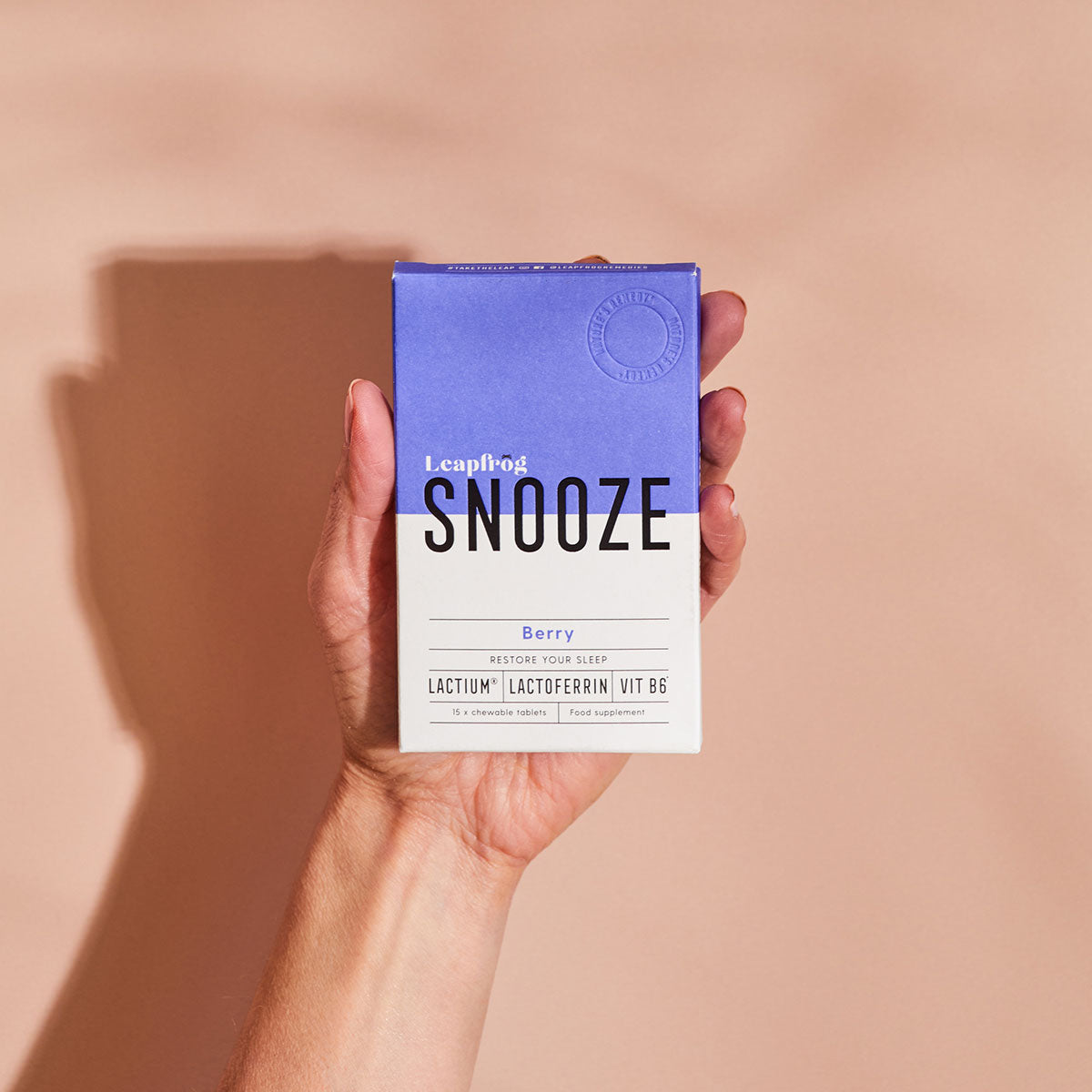
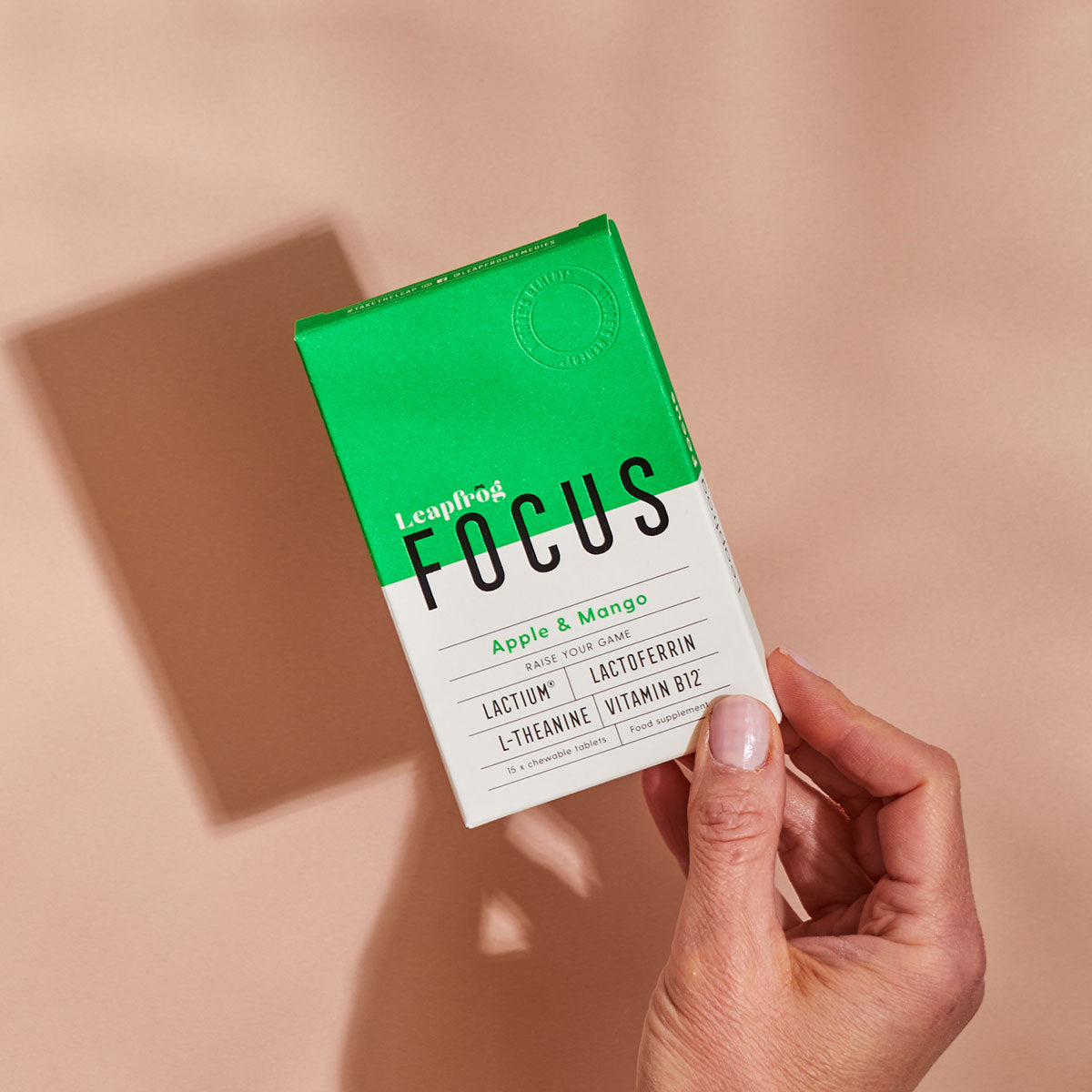
Lactoferrin, the hero ingredient of Leapfrog Remedies, is a natural protein that helps your immune system stand guard. Studies show it supports your key defenders like NK cells, neutrophils, and macrophages, while keeping inflammation in check and slowing the spread of viruses in your airways.
The Leapfrog Approach to Recovery
Reference list
Actor, J., Hwang, S.-A. and Kruzel, M. (2009). Lactoferrin as a Natural Immune Modulator. Current Pharmaceutical Design, 15(17), pp.1956–1973. doi:https://doi.org/10.2174/138161209788453202.
Chamorro-Viña, C., Fernandez-del-Valle, M. and Tacón, A.M. (2013). Excessive Exercise and Immunity: The J-Shaped Curve. The Active Female, pp.357–372. doi:https://doi.org/10.1007/978-1-4614-8884-2_24.
Lee, H.K., Hwang, I.H., Kim, S.Y. and Pyo, S.Y. (2014). The Effect of Exercise on Prevention of the Common Cold: A Meta-Analysis of Randomized Controlled Trial Studies. Korean Journal of Family Medicine, [online] 35(3), p.119. doi:https://doi.org/10.4082/kjfm.2014.35.3.119.
Martin, S.A., Pence, B.D. and Woods, J.A. (2009). Exercise and Respiratory Tract Viral Infections. Exercise and sport sciences reviews, [online] 37(4), pp.157–164. doi:https://doi.org/10.1097/JES.0b013e3181b7b57b.
Mayo Clinic. (2017). Tips for working out with a cold. [online] Available at: https://www.mayoclinic.org/healthy-lifestyle/fitness/expert-answers/exercise/faq-20058494.
Moreira, A., Delgado, L., Moreira, P. and Haahtela, T. (2009). Does exercise increase the risk of upper respiratory tract infections? British Medical Bulletin, 90(1), pp.111–131. doi:https://doi.org/10.1093/bmb/ldp010.
Nieman, D.C. and Wentz, L.M. (2019). The compelling link between physical activity and the body’s defense system. Journal of Sport and Health Science, [online] 8(3), pp.201–217. doi:https://doi.org/10.1016/j.jshs.2018.09.009.
Page, C.L. and Diehl, J.J. (2007). Upper Respiratory Tract Infections in Athletes. Clinics in Sports Medicine, 26(3), pp.345–359. doi:https://doi.org/10.1016/j.csm.2007.04.001.
Peake, J.M., Neubauer, O., Walsh, N.P. and Simpson, R.J. (2017). Recovery of the immune system after exercise. Journal of Applied Physiology, 122(5), pp.1077–1087. doi:https://doi.org/10.1152/japplphysiol.00622.2016.
Woods, J., Lu, Q. and Lowder, T. (2000). Exercise-induced modulation of macrophage function. Immunology and Cell Biology, 78(5), pp.545–553. doi:https://doi.org/10.1111/j.1440-1711.2000.t01-9-.x.