Why Women and Men Experience Stress Differently
If you have ever wondered why you feel constantly tired, why sleep changes around your period, or why rest feels hard to access, you are touching on the biology of stress, hormones, sleep, and immunity.
For many women, the ongoing mental load of planning, organising, remembering, and anticipating others’ needs creates a steady background level of stress. It is not just busyness; it is being mentally “on” much of the time. Over time, this affects stress hormones, sleep quality, immune balance, and mood. Feeling wired, fatigued, irritable, or run down may reflect biology rather than motivation.
What Does Stress Do To The Immune System?
Stress is not only psychological. When the brain detects pressure, it sends chemical signals throughout the body that influence immune function. This relationship works both ways: stress changes immune activity, and inflammation can signal back to the brain, affecting mood, focus, and energy.
Short-term stress activates the fight-or-flight response. Heart rate and blood pressure rise, and stress hormones temporarily move immune cells into the bloodstream. In this context, stress can improve immune surveillance and sharpen short-term defences.
Chronic stress is different. Ongoing pressures such as caregiving, financial strain, work demands, or persistent mental load gradually reduce immune efficiency. Adaptive immune cells may become less responsive, increasing vulnerability to infections and lowering vaccine responses. At the same time, low-grade inflammation can persist, contributing to fatigue, pain, and mood changes.
Temporary stress can protect. Long-term stress can exhaust.

The HPA Axis: The Body’s Stress Control System
At the centre of this process is the HPA axis, the body’s stress-regulation network that links the brain and adrenal glands. When stress is detected, the hypothalamus releases corticotropin-releasing hormone (CRH), which prompts the pituitary gland to secrete adrenocorticotropic hormone (ACTH). ACTH travels through the bloodstream to the adrenal glands, stimulating two responses: the release of adrenaline from the adrenal medulla and cortisol from the adrenal cortex.
Adrenaline acts within seconds. It drives the classic fight-or-flight response, increasing heart rate, blood pressure, and alertness, and mobilising glucose for rapid energy. This short-term response helps the body meet immediate demands.
Cortisol follows more slowly but lasts longer. It supports sustained energy production, modulates immune activity, and helps the body recover once the immediate challenge passes.
In healthy stress cycles, adrenaline and cortisol rise and fall together. Cortisol normally follows a daily rhythm, peaking in the morning and declining towards night. When stress becomes chronic, however, this rhythm can lose its pattern. Cortisol may remain elevated, ACTH release may become dysregulated, or immune cells may stop responding effectively to cortisol’s calming signal. The result is a persistent, low-grade inflammatory state, one that keeps the body on “high alert” even when exhaustion sets in. The stress system was designed for bursts of action, not for endless vigilance.

Women and Men Cope Differently
Coping patterns can differ as well. Women more often use a “tend-and-befriend” approach, seeking connection and support to buffer stress. Active coping, whether emotional or practical, is consistently associated with better long-term health outcomes than avoidance. However, men often have fewer social outlets for expressing distress and may rely more on fight-or-flight responses, which typically involve confrontation or withdrawal.
Sex Differences in Immune Resilience
Women generally mount stronger immune responses, influenced by X-chromosome genes and oestrogen. This often provides better protection against infections and stronger vaccine responses. However, heightened immune reactivity is also linked to a higher risk of autoimmune diseases such as lupus, rheumatoid arthritis, and multiple sclerosis.
Men tend to show stronger cardiovascular stress responses, including greater increases in blood pressure and heart rate. Over time, this pattern is associated with higher rates of hypertension and heart disease. In simple terms, women’s stress biology more often trends toward autoimmune and mood-related vulnerability, while men’s is more closely associated with cardiovascular strain.
Stress, Sleep and the Menstrual Cycle
Stress and sleep influence each other. High stress can fragment sleep, and poor sleep activates the stress system further, creating a cycle.
Hormones add another layer. Higher progesterone in certain cycle phases can increase sleepiness. In contrast, the drop in oestrogen before menstruation can increase alertness and pain sensitivity, disrupting sleep. Sleep loss also affects metabolism: leptin decreases, ghrelin increases, and insulin sensitivity declines, influencing energy, appetite, and mood.
Some research suggests women may benefit from slightly more sleep, possibly reflecting greater cognitive and emotional demands during the day.
For some women, menstrual symptoms are more significant. Heavy menstrual bleeding has been associated with lower quality of life across physical comfort, emotional wellbeing, social functioning, and energy. These symptoms are medical concerns when they interfere with daily life.
During perimenopause and menopause, fluctuating and declining oestrogen levels can further disrupt sleep, temperature regulation, and cortisol rhythms, often contributing to the common experience of feeling wired yet tired.
Everyday Recovery: Supporting Stress, Sleep and Immune Balance
Small, consistent habits can help restore balance. Mindfulness, breathwork, and short meditation practices can lower cortisol and reduce inflammatory activity. Regular sleep timing, dimming evening light, and limiting late-night screen exposure support circadian rhythms.
Time in nature is associated with lower stress hormones and improved mood. Regular movement such as walking, yoga, or cycling improves sleep quality and immune resilience. Social connection is equally important. Sharing responsibilities and asking for help reduces biological stress load. These strategies support regulation rather than overexertion.
A simple evening routine can make a meaningful difference. Consistent bedtime, a 30- to 60-minute wind-down, calming activities, and soothing rituals, such as a warm shower or herbal tea, can help the nervous system transition into rest.
Where Targeted Support Can Help
When stress and sleep disruption are ongoing, nutritional support may complement lifestyle strategies.
Leapfrog IMMUNE contains Lactoferrin, Zinc, and Vitamin C to support balanced immune function, particularly during periods of stress or poor sleep. The goal is regulation, not overstimulation.
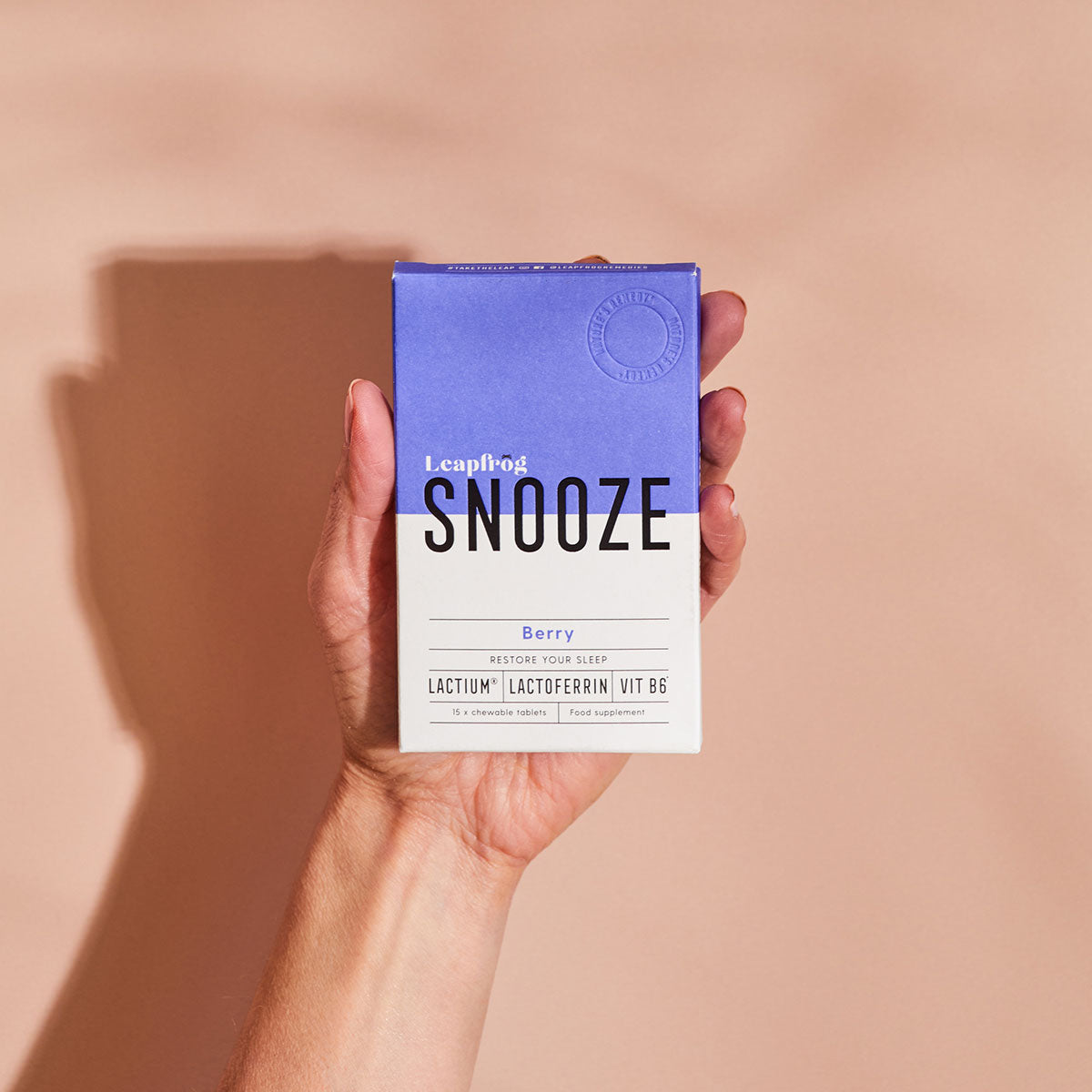
Leapfrog SNOOZE combines Lactium® to support cortisol balance, Vitamin B6 to assist serotonin and melatonin production, and Lactoferrin for immune support. Ingredients that support GABA pathways can help the nervous system shift from alertness into rest.

References
Alotiby, A. (2024). Immunology of Stress: A Review Article. Journal of Clinical Medicine, [online] 13(21), pp.6394–6394. doi:https://doi.org/10.3390/jcm13216394.
Balhara, Y.P.S., Verma, R. and Gupta, C.S. (2012). Gender differences in stress response: Role of developmental and biological determinants. Industrial Psychiatry Journal, 20(1), p.4. doi:https://doi.org/10.4103/0972-6748.98407.
Dunn, S.E., Perry, W.A. and Klein, S.L. (2024). Mechanisms and consequences of sex differences in immune responses. Nature Reviews. Nephrology, [online] 20(1), pp.37–55. doi:https://doi.org/10.1038/s41581-023-00787-w.
Goldfarb, E.V., Seo, D. and Sinha, R. (2019). Sex differences in neural stress responses and correlation with subjective stress and stress regulation. Neurobiology of Stress, 11, p.100177. doi:https://doi.org/10.1016/j.ynstr.2019.100177.
Graves, B.S., Hall, M.E., Dias-Karch, C., Haischer, M.H. and Apter, C. (2021). Gender differences in perceived stress and coping among college students. PLOS ONE, [online] 16(8), pp.1–12. doi:https://doi.org/10.1371/journal.pone.0255634.
Hirotsu, C., Tufik, S. and Andersen, M.L. (2015). Interactions between sleep, stress, and metabolism: From physiological to pathological conditions. Sleep Science, [online] 8(3), pp.143–152. doi:https://doi.org/10.1016/j.slsci.2015.09.002.
Hodes, G.E., Bangasser, D., Sotiropoulos, I., Kokras, N. and Dalla, C. (2024). Sex Differences in Stress Response: Classical Mechanisms and Beyond. Current Neuropharmacology, [online] 22(3), pp.475–494. doi:https://doi.org/10.2174/1570159X22666231005090134.
Ishikawa, Y. and Furuyashiki, T. (2021). The impact of stress on immune systems and its relevance to mental illness. Neuroscience Research, [online] 175(175). doi:https://doi.org/10.1016/j.neures.2021.09.005.
Karlsson, T.S., Marions, L.B. and Edlund, M.G. (2013). Heavy menstrual bleeding significantly affects quality of life. Acta Obstetricia et Gynecologica Scandinavica, 93(1), pp.52–57. doi:https://doi.org/10.1111/aogs.12292.
Mehdi Mirzaei-Alavijeh, Najafi, F., Veis, R.G., Mehdi Moradinazar, Farhad Farasati and Farzad Jalilian (2025). Psychological distress and its association with gender, socioeconomic status, education and health conditions. PubMed, [online] 15(1), pp.29142–29142. doi:https://doi.org/10.1038/s41598-025-14848-6.
NEPOMNASCHY, P.A., SHEINER, E., MASTORAKOS, G. and ARCK, P.C. (2007). Stress, Immune Function, and Women’s Reproduction. Annals of the New York Academy of Sciences, 1113(1), pp.350–364. doi:https://doi.org/10.1196/annals.1391.028.
Nunez, S.G., Rabelo, S.P., Subotic, N., Caruso, J.W. and Knezevic, N.N. (2025). Chronic Stress and Autoimmunity: The Role of HPA Axis and Cortisol Dysregulation. International Journal of Molecular Sciences, [online] 26(20), p.9994. doi:https://doi.org/10.3390/ijms26209994.