Back-to-School Supplement Checklist: What Really Works for Kids?
School’s back in, and the bugs are out. After weeks of summer freedom, September spells classrooms, close contact, shared surfaces and plenty of opportunities for everyday viruses to circulate. It’s known as the “September Immunity Dip”. It’s just then that parents start thinking: what can I give my child to keep them well and in school?
Then you reach the supplement aisle and things get complicated. Vitamin C, vitamin D, zinc, probiotics, multivitamins, elderberry, omega-3, magnesium and “immune support” gummies – that’s a cupboard full of potential products. But which immunity supplements work? This back-to-school supplements UK checklist cuts through the noise, looking at what each popular supplement can realistically do, what may be useful for some children and what you can probably leave on the shelf.
Before you buy anything, ask what your child needs
There are two very different reasons a child might take a supplement:
A nutritional gap. If a child is not getting enough of an essential nutrient, supplementation can help bring their intake up to an appropriate level and support the normal functions that depend on it. Vitamin D is a good example, while iron may be appropriate when deficiency has been identified. You may want to contact the expert child nutritionists at NatureDoc for a lab test to look at nutrient deficiencies and the gut microbiome.
Biological effect. Is there a supplement that may influence the body's natural defences or other aspects of health? Lactoferrin and certain probiotic strains fall more naturally into this category. The distinction matters because an ingredient can affect an immune pathway in a laboratory study without necessarily preventing your child from picking up the cold circulating around their classroom. Biological activity is not the same thing as proven clinical benefit.
So, if you are looking for the best supplements for back to school in the UK, the answer is not necessarily the product with the longest ingredient list. It’s the one that has a sensible reason for being there.
Lactoferrin: the ingredient worth knowing about
If you’ve been searching for an immune supplement for children, you may have come across lactoferrin. It’s not as familiar as vitamin C or a multivitamin, but there is some fascinating biology behind it, particularly when we start talking about the body's first-line defence against microbes.
Lactoferrin is an iron-binding protein naturally found in human milk, saliva, tears and other mucosal secretions. It’s present at several of the body's frontline surfaces, including the mouth, nose and intestine, where the body first encounters microbes.
This makes it particularly relevant to innate immunity, the rapid, non-specific defence system that responds to potential threats before the body develops a highly specific antibody response.

How does lactoferrin support natural defence?
One of lactoferrin's best-understood roles is binding iron. Many bacteria need freely available iron to grow - it’s like their food source - so lactoferrin can restrict their access to it. This is part of a process called nutritional immunity, in which the body limits the availability of nutrients that microbes need.
Lactoferrin can also interact directly with microbial surfaces and may interfere with their ability to attach to host cells. In the gut, research suggests that lactoferrin and its breakdown products may interact with the intestinal lining, influence the gut environment and support aspects of the intestinal barrier.
There’s another important piece of the puzzle too. Lactoferrin can interact with immune cells and inflammatory signalling, with research exploring effects involving macrophages, natural killer cells and other components of the immune response.
This is why it’s more scientifically accurate to describe lactoferrin as ‘immune-modulating’ rather than simply saying it “boosts” immunity. A healthy immune system is not supposed to be “boosted” or permanently switched on. It needs to recognise potential threats, respond appropriately and then regulate that response.
What does the research show in children?
Lactoferrin has been studied as a supplement for children in areas including neonatal infections, gastrointestinal illness and respiratory infections. A 2025 systematic review and meta-analysis found potential benefits for neonatal late-onset sepsis and childhood diarrhoea.
There’s also research looking more directly at respiratory health. A small, randomised study involving preschool children with recurrent respiratory infections reported fewer and shorter infections during four months of bovine lactoferrin supplementation. However, only 50 children took part, and larger studies are needed.
Lactoferrin is not simply another generic vitamin added to an “immune” gummy. It has a clear biological connection with frontline defence and an evolving body of research in children.
Checklist verdict: promising and targeted
For parents looking beyond basic nutritional support, lactoferrin is one of the more scientifically interesting ingredients to consider.

Vitamin D: the sensible seasonal supplement
If lactoferrin is the ingredient worth knowing about, vitamin D is the practical staple for many UK families. Vitamin D is essential for calcium absorption, normal bone development and muscle function, and vitamin D receptors are also found on immune cells including macrophages and T cells. It therefore has a role in immune regulation as well as its better-known functions in bones and muscles.
For parents in the UK, the practical issue is that sunlight becomes a less reliable source of vitamin D as autumn and winter set in. During much of the UK winter, there’s not enough UVB radiation for the skin to produce vitamin D reliably.
UK guidance recommends 10 micrograms of vitamin D daily for children aged 1 to 4 throughout the year. For children aged 5 and over, 10 micrograms daily should be considered during autumn and winter. Some children may need year-round supplementation depending on factors such as limited sunlight exposure or skin pigmentation.
It’s important to separate maintaining adequate vitamin D levels from claims about preventing colds. Research into whether vitamin D supplementation directly prevents respiratory infections has produced mixed results, so supplementation should not be treated as a guaranteed cold-prevention strategy.
Checklist verdict: keep it on the list
For many UK children, vitamin D is a routine supplement to consider through autumn and winter, following current age-appropriate guidance.
Multivitamins: useful when there’s a genuine gap
If your child's diet is currently somewhere between “selective” and “I only eat beige food”, you may have looked at a children's multivitamin and thought it sounds like a sensible bit of nutritional insurance. It can be, but the reason matters.
A multivitamin may make sense for a child with a very restricted diet, one who avoids entire food groups, follows a vegan or otherwise restrictive diet without careful nutritional planning, has a diagnosed deficiency or has a medical condition affecting nutrient absorption or nutritional requirements.
The immune system needs energy, protein and a range of micronutrients to function normally, so correcting a genuine nutritional shortfall can absolutely matter.
What does not follow is that giving a well-nourished child extra vitamins will make their immune system stronger than normal. Once nutritional requirements are met, additional amounts generally offer diminishing returns, while excessive intake can be harmful, particularly with fat-soluble vitamins such as A and D and with iron.
Checklist verdict: use it for a reason
Instead of asking whether a multivitamin is one of the best supplements for back to school, ask what nutritional gap it is filling. If there is a genuine gap, it may be worthwhile. If the only reason is that the packaging says “immune support”, you probably don’ need another bottle in the cupboard.
Probiotics: possible benefits, but read the label
Probiotic drinks and gummies have become increasingly popular with parents interested in gut health and immunity, particularly at the start of the school year.
There is a good biological reason to be interested in the gut. The intestinal microbiome interacts closely with the immune system, and some probiotic strains may compete with potentially harmful microbes, support aspects of the intestinal barrier and influence local immune signalling.
The catch is that probiotic is not one ingredient. Different products contain different bacterial strains, doses and combinations, so evidence for one product cannot automatically be applied to another. A product simply saying “contains live cultures” tells you very little about whether it is supported by clinical research.
A 2016 meta-analysis of 23 randomised trials involving 6,269 children found that probiotics modestly reduced the likelihood of experiencing at least one respiratory infection, as well as illness days and school absence. They did not significantly shorten individual infection episodes.
A later Cochrane review also highlighted differences between products and uncertainty in the evidence, which is why probiotics should not be treated as essential for every child.
Checklist verdict: optional
If you choose a probiotic, look for the specific strains and dose rather than simply choosing whichever product has the biggest “immune support” claim on the front. The potential benefit is modest, and different products should not be treated as interchangeable.

Vitamin C: keep the fruit bowl, skip the mega-dose
Vitamin C is an important nutrient involved in collagen production, wound healing, antioxidant protection and normal immune-cell function.
But this is where supplement marketing can get ahead of the evidence. If your child is already getting enough vitamin C through fruit and vegetables, there is little reason to assume that a high-dose gummy will provide an extra layer of protection against every cold going around school. Routine supplementation has not consistently been shown to prevent childhood colds.
So, if your child happily eats berries, oranges, peppers, tomatoes and vegetables, there is no need to turn vitamin C into another daily battle.
Checklist verdict: food first
Correcting inadequate vitamin C intake is sensible. Giving every healthy child a high-dose vitamin C supplement “just in case” is another matter
Zinc: essential, but more is not better
Zinc is another nutrient that genuinely matters for immune health. It contributes to immune-cell development and function, helps maintain skin and mucosal barriers and is involved in tissue repair and inflammatory processes.
A deficiency can impair immune function, making adequate intake important, but routine supplementation in well-nourished children has produced inconsistent results. Too much zinc can also cause nausea and interfere with copper absorption.
Checklist verdict: correct a deficiency, do not automatically supplement
Zinc belongs in a child's diet, but most children get adequate zinc from a balanced diet including meat, dairy, legumes, nuts, and whole grains.
Elderberry: smaller evidence than the marketing suggests
Elderberry is a go-to ingredients in the autumn for many people. It contains anthocyanins and other polyphenols with antioxidant and anti-inflammatory activity in laboratory research, and experimental studies have suggested possible effects on viral and inflammatory pathways.
The problem is what happens when we move from the laboratory to actual people. Human studies are limited, preparations vary between products and a randomised trial in people aged five and over with influenza-like illness found no evidence that elderberry improved the duration or severity of illness.
That does not prove that elderberry is useless in every circumstance. It does mean that claims suggesting it is a clinically proven way to prevent school infections go beyond what the current evidence can support.
Checklist verdict: low priority
If you are trying to keep your child's supplement routine sensible, elderberry is one you can comfortably move down the shopping list.
Omega-3, B vitamins, magnesium and iron: important for the right reasons
The start of a new school year doesn’t only bring questions about immunity. Parents often wonder whether their child needs something for concentration, energy, sleep or brain development too.
That’s where products containing omega-3, B vitamins and magnesium can become tempting, particularly when a child is adjusting to earlier mornings and a more structured routine.
Omega-3 fatty acids, particularly DHA, are important structural components of the brain and are involved in normal brain and eye development. If your child eats little or no oily fish, it is reasonable to consider their overall dietary intake. However, omega-3 is not a proven supplement for preventing school colds, and it should not be added to the September routine simply because it’s marketed for concentration.
B vitamins are involved in energy metabolism and normal nervous system function. They are essential nutrients, but a child who already receives enough through their diet does not necessarily need a B-complex supplement to cope with school.
Magnesium contributes to normal nerve and muscle function and energy metabolism. It has increasingly appeared in children's products marketed towards sleep, calm and concentration, but routine supplementation has not been shown to prevent infections or improve school performance in healthy children who are getting enough magnesium.
Iron is essential for oxygen transport, energy metabolism and normal development, and iron deficiency can affect energy and concentration. But iron is not something to add “just in case”. Unnecessary supplementation can be harmful, so suspected deficiency is a reason to speak to a healthcare professional rather than start supplementing blindly. Lactoferrin’s iron-binding capability means that it can help to balance iron levels in the body, naturally (without the stomach side effects of ferrous sulphate) - Leapfrog IMMUNE can help the reset iron levels.
Checklist verdict: match the nutrient to the need
Omega-3, B vitamins, magnesium and iron can all be important, but September itself is not an indication for taking them. If you’re concerned about your child's diet, energy levels, development or possible deficiency, it’s better to identify the actual need than to guess with several supplements.
What parents can usually skip
This is probably the part you were looking for when you searched for a children supplement checklist.
For a healthy child eating a reasonably varied diet, there’s usually little reason to routinely use high-dose vitamin C gummies, elderberry syrups marketed as a cold shield, continuous zinc without a specific reason, magnesium products promising better concentration or energy, or iron without an identified deficiency.
There is also no advantage to creating a cocktail of overlapping products. A child taking a multivitamin, an “immune” gummy, cod liver oil and a separate vitamin D supplement could be receiving several of the same nutrients.
More is not automatically better, and certain nutrients can become harmful when taken in excessive amounts. This is particularly relevant for fat-soluble vitamins such as A and D and for iron.
It’s worth checking the labels before adding anything new, especially when several products are being used together.
A few supplement rules worth keeping in mind
There are a few practical things that matter regardless of which supplement you choose.
Choose an age-appropriate formulation. Children are not simply small adults, and products designed for adults can contain inappropriate doses. Look for products specifically formulated for your child's age and follow the recommended serving.
Check for overlapping ingredients. A multivitamin plus an immune gummy plus cod liver oil can quickly turn into an unnecessarily complicated combination. Check the labels rather than assuming that each product is separate.
Do not let gummies replace food. Gummies can make supplements easier for children to take, but some contain added sugars and can look remarkably similar to sweets. Keep them out of reach and treat them as supplements rather than part of the sweet cupboard.
Put food first. Whole foods provide a combination of vitamins, minerals, protein, fibre and other compounds that a single supplement cannot replicate. Supplements are most useful when they complement the diet rather than trying to replace it.

The 3 supplements and rituals to get your kids through term healthy
For most families, there are three priorities worth keeping in mind as the new school term begins.
1. Vitamin D through autumn and winter
For many UK children, vitamin D is the most straightforward supplement to consider as the seasons change. Follow current age-appropriate UK guidance and check the total daily amount if your child is already taking another product containing vitamin D.
2. Lactoferrin from the start of term
If you are looking for more targeted support for your child's natural defences, lactoferrin is particularly interesting. Its ability to bind iron, interact with microbes and influence immune signalling gives it a genuine biological connection with innate immune defence, the rapid first-response system that acts before the body develops a specific antibody response.
The research in healthy school-age children is still developing, so lactoferrin should not be presented as a guarantee that your child will avoid every classroom bug. What makes it compelling is the combination of a clear biological role and emerging paediatric evidence.
That is the approach behind Leapfrog IMMUNE chewable tablets (suitable from age 4), which puts lactoferrin at the centre of the formula rather than relying on a long list of generic “immune-boosting” ingredients.
3. Sleep
Not a very exciting answer, we know, but it matters.
Getting back into a consistent bedtime after the summer holidays gives children the sleep they need for normal immune regulation, recovery, learning and emotional wellbeing. Research has linked shorter sleep with greater susceptibility to common illness in children, although these studies do not prove that a particular bedtime will prevent a cold.
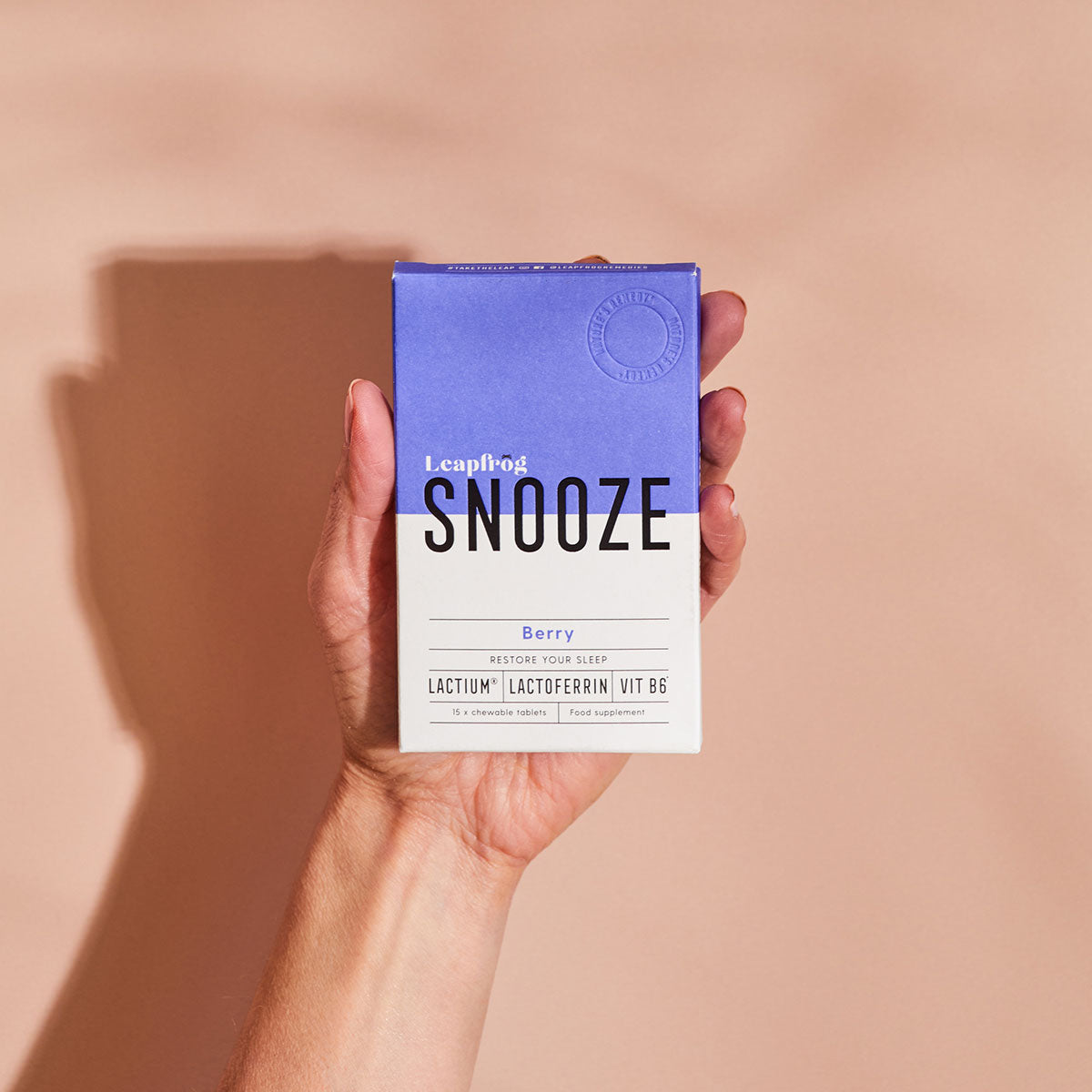
Before adding another gummy to the breakfast table, make sure bedtime has not quietly disappeared over the summer. Consider a magnesium supplement; for those over age 7 you could try Leapfrog SNOOZE.
Worth remembering
The best supplements for back to school are not necessarily the ones with the longest ingredient list.
For most families, the sensible starting point is vitamin D through autumn and winter, lactoferrin as targeted support for natural immune defence, and enough sleep. Other supplements have their place when there’s a genuine nutritional lack, but children don’t need a cupboard full of “immune” products simply because the school term is starting.
That is the thinking behind Leapfrog IMMUNE: a focused, lactoferrin-led approach to supporting children's natural defences this school year.

Reference list
Absoud, M., Cummins, C., Lim, M.J., Wassmer, E. and Shaw, N. (2011). Prevalence and predictors of vitamin D insufficiency in children: A Great Britain population based study. PLoS ONE, 6(7), p.e22179. doi:10.1371/journal.pone.0022179.
Choosing a multivitamin and mineral supplement for children. (2021). [online] Cambridge University Hospitals. Available at: https://www.cuh.nhs.uk/patient-information/choosing-a-multivitamin-and-mineral-supplement-for-children/ [Accessed 9 Aug. 2026].
Glatt, D.U., McSorley, E., Pourshahidi, L.K., Revuelta Iniesta, R., McCluskey, J., Beggan, L., Slevin, M., Gleeson, N., Cobice, D.F., Dobbin, S. and Magee, P.J. (2022). Vitamin D status and health outcomes in school children in Northern Ireland: Year one results from the D-VinCHI study. Nutrients, 14(4), p.804. doi:10.3390/nu14040804.
González, F.E. and Báez, R.V. (2017). In time: Importance of omega 3 in children’s nutrition. Revista Paulista de Pediatria, [online] 35(1), pp.3–4. doi:10.1590/1984-0462/;2017;35;1;00018.
Lassi, Z.S., Moin, A. and Bhutta, Z.A. (2016). Zinc supplementation for the prevention of pneumonia in children aged 2 months to 59 months. Cochrane Database of Systematic Reviews. doi:10.1002/14651858.cd005978.pub3.
Macknin, M., Wolski, K., Negrey, J. and Mace, S. (2020). Elderberry extract outpatient influenza treatment for emergency room patients ages 5 and above: A randomized, double-blind, placebo-controlled trial. Journal of General Internal Medicine. doi:10.1007/s11606-020-06170-w.
Martini, L., Pecoraro, L., Salvottini, C., Piacentini, G., Atkinson, R. and Pietrobelli, A. (2020). Appropriate and inappropriate vitamin supplementation in children. Journal of Nutritional Science, 9(20). doi:10.1017/jns.2020.12.
Mayorga, V.S., Navarro, R., Torres, V. D, Urtecho, M., Tipe, S., Calvert, B., Wright, L.A. and Ochoa, T.J. (2025). Efficacy of lactoferrin supplementation in pediatric infections: A systematic review and meta-analysis. Biochemistry and Cell Biology. doi:10.1139/bcb-2024-0181.
NHS (2020). Vitamin D - vitamins and minerals. [online] NHS. Available at: https://www.nhs.uk/conditions/vitamins-and-minerals/vitamin-d/ [Accessed 9 Aug. 2026].
Ochoa, T.J., Pezo, A., Cruz, K., Chea-Woo, E. and Cleary, T.G. (2012). Clinical studies of lactoferrin in children. Biochemistry and cell biology = Biochimie et biologie cellulaire, [online] 90(3), pp.457–67. doi:10.1139/o11-087.
Pasinato, A., Fama, M., Tripepi, G., Egan, C.G. and Baraldi, E. (2024). Lactoferrin in the prevention of recurrent respiratory infections in preschool children: A prospective randomized study. Children, [online] 11(2), p.249. doi:10.3390/children11020249.
Radmanish, M., Khalfallah, O., Glaichenhaus, N., Forhan, A., Heude, B., Charles, M.-A., Davidovic, L. and Plancoulaine, S. (2022). Sleep duration trajectories associated with levels of specific serum cytokines at age 5: A longitudinal study in preschoolers from the EDEN birth cohort. Brain, Behavior, & Immunity - Health, 21, p.100429. doi:10.1016/j.bbih.2022.100429.
Rondanelli, M., Miccono, A., Lamburghini, S., Avanzato, I., Riva, A., Allegrini, P., Faliva, M.A., Peroni, G., Nichetti, M. and Perna, S. (2018). Self-care for common colds: The pivotal role of vitamin D, vitamin C, zinc, and echinacea in three main immune interactive clusters (physical barriers, innate and adaptive immunity) involved during an episode of common colds—Practical advice on dosages and on the time to take these nutrients/botanicals in order to prevent or treat common colds. Evidence-Based Complementary and Alternative Medicine, [online] 2018, pp.1–36. doi:10.1155/2018/5813095.
Sadikan, M.Z., Lambuk, L., Hairi, H.A. and Mohamud, R. (2025). Molecular impact of magnesium‐mediated immune regulation in diseases. Scientifica, 2025(1). doi:10.1155/sci5/4211238.
Wang, Y., Li, X., Ge, T., Xiao, Y., Liao, Y., Cui, Y., Zhang, Y., Ho, W., Yu, G. and Zhang, T. (2016). Probiotics for prevention and treatment of respiratory tract infections in children. Medicine, 95(31), p.e4509. doi:10.1097/md.0000000000004509.
Zhao, Y., Dong, B.R. and Hao, Q. (2022). Probiotics for preventing acute upper respiratory tract infections. Cochrane Database of Systematic Reviews, 2022(8). doi:10.1002/14651858.cd006895.pub4.