Back-to-School: Why September Is a Smart Family Health Reset
It feels like we've barely had time to blink before summer has flown by and September's started. One minute the children are spending long afternoons outside, eating countless ice creams and staying up late, and the next there are alarms to set, packed lunches to make, uniforms to find and a calendar suddenly filled with school, clubs, and homework.
That shift is about more than getting everyone organised. The return to school changes the way children spend their days, from the people they mix with and the spaces they spend time in, to their sleep, meals, activity and daily routines. After weeks of summer freedom, in September children spend more time indoors, in structured environments with larger groups of people, while the whole family adjusts to earlier mornings and a much busier schedule.
That does not mean September is a month when the immune system becomes weaker. It means that the start of term is a useful reset point for family immune health, giving you a chance to put the foundations back in place before autumn and winter are fully underway.
Good back-to-school immune support is not about trying to create an invincible immune system or filling the kitchen cupboard with supplements. It’s about looking at the predictable changes that come with the new school year, getting the basics right and then considering where targeted nutritional support might fit.
Why going back to school changes the picture
One of the biggest changes in September is increased contact. Children are back in classrooms, school buses, clubs, sports teams and other shared environments, mixing with the same groups of people for longer and more predictable periods of time.
Research into infectious disease transmission supports the idea that school terms can influence patterns of respiratory infection because children have different contact patterns during term time compared with holidays. The important point, however, is that this does not make September uniquely dangerous. Rather, the return to school creates a predictable change in exposure that coincides with the wider transition into autumn.
Then there is the environment itself. As the days become cooler and routines become busier, more of family life naturally moves indoors. Classrooms, sports halls, cars, bedrooms and living rooms all become part of the daily routine, often with several people sharing the same air for extended periods. Research into indoor air quality and respiratory viruses suggests that ventilation and other environmental conditions can influence how infectious particles accumulate and circulate, making fresh air and sensible ventilation useful parts of an overall approach to reducing exposure.
So rather than thinking about September as an immune health crisis, it is more useful to think about it as a change in the conditions surrounding the immune system. More contact, more indoor time, less flexibility and a sudden shift in routine all arrive at roughly the same time, which makes the beginning of term a particularly sensible moment to check in with the family's everyday habits.

Reset the basics
The first step in supporting autumn immune health is getting everyone back into a rhythm that the body can work with.
Sleep is the most obvious place to start because summer has a habit of quietly moving bedtime later and later. Children who have become accustomed to leisurely mornings can suddenly find themselves expected to wake up early, concentrate at school all day and still have enough energy for homework, clubs and everything else that comes with term time.
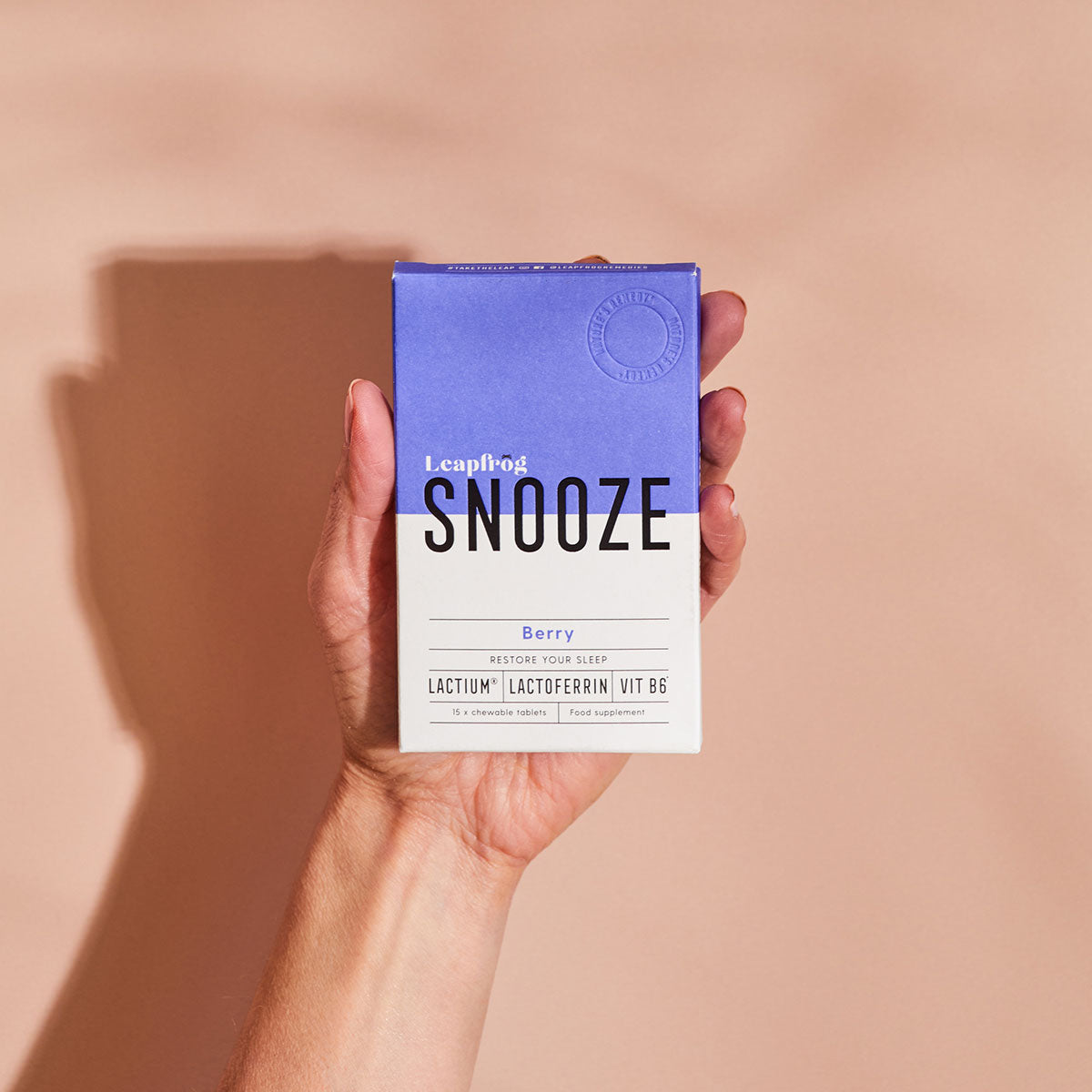
Sleep and immune function are closely connected, and research has found an association between shorter sleep and a greater likelihood of upper respiratory infections. That does not mean that one late night will make a child ill, but it is a good reason to treat the return to a consistent sleep schedule as part of family immune support in September.
There is no need to turn the final week of the holidays into military boot camp, either. Gradually bringing bedtimes and wake-up times closer to the school routine, keeping mornings reasonably consistent and creating a calmer wind-down before bed can make the transition much less abrupt.
Food deserves the same attention. The immune system is a complex network of cells, tissues and barriers that relies on adequate energy, protein and a broad range of micronutrients to function normally. Vitamins and minerals including vitamins A, C, D and E, B vitamins, zinc, iron, selenium and copper all have roles within immune function, which is one reason why overall nutritional adequacy matters far more than any single so-called immune-boosting food.
The return to school can make this easier because regular mealtimes naturally come back into the picture. Think simple rather than perfect: fruit and vegetables, a source of protein, wholegrains or other higher-fibre carbohydrates, healthy fats and plenty of water. A packed lunch that can be made consistently without causing chaos at 8 am is far more useful than an Instagram-worthy lunchbox that nobody has the energy to repeat.
Think about your environment
Immune health is often discussed entirely in terms of food and supplements, but the environment we spend time in matters as well.
Children can spend a large part of the school day indoors and, once term gets busy, it is surprisingly easy for the whole family to spend most of the afternoon and evening inside too. Ventilation is key – research increasingly supports the role of indoor air quality in respiratory-virus transmission, particularly where people are sharing enclosed spaces for longer periods.
At home, that can be as simple as opening a window when practical, getting outside after school and avoiding spending hours in a stuffy room with lots of people. It’s not another complicated immune-health protocol to add to the family calendar. Fresh air and movement are useful habits anyway, and the potential benefit for respiratory exposure is simply another reason to keep them there.
This is also where the transition from summer to autumn can work in your favour. A walk home from school, football in the park, a trip to the playground or an afternoon spent outside can provide movement, daylight and a break from the constant indoor environment that tends to come with a busy school week.
What about vitamin D?
Vitamin D inevitably becomes part of the conversation as summer turns into autumn, particularly in the UK where sunlight becomes a less reliable source as the year progresses.
Vitamin D has an important role in normal immune function, but this is one area where it is particularly important to separate biological plausibility from promises about preventing illness. Clinical research into vitamin D supplementation and respiratory infections has produced mixed results. Earlier meta-analysis suggested a modest reduction in acute respiratory infections, particularly with regular daily supplementation, while subsequent evidence has been less conclusive.
The sensible takeaway is not to ignore vitamin D, but to put it in perspective. It is an important nutrient, and maintaining adequate levels matters, particularly where intake or status is low, but it should not be treated as a guaranteed shield against the inevitable coughs and colds of the school year.
For families in the UK, vitamin D supplementation should be considered in line with appropriate guidance and individual circumstances, rather than simply assuming that more is better.
How can lactoferrin help with family coughs and colds?
Once the foundations are in place, there is room to think about more targeted nutritional support. One ingredient that has attracted growing scientific interest is lactoferrin, a naturally occurring iron-binding protein found in human milk, cow's milk and other bodily fluids.
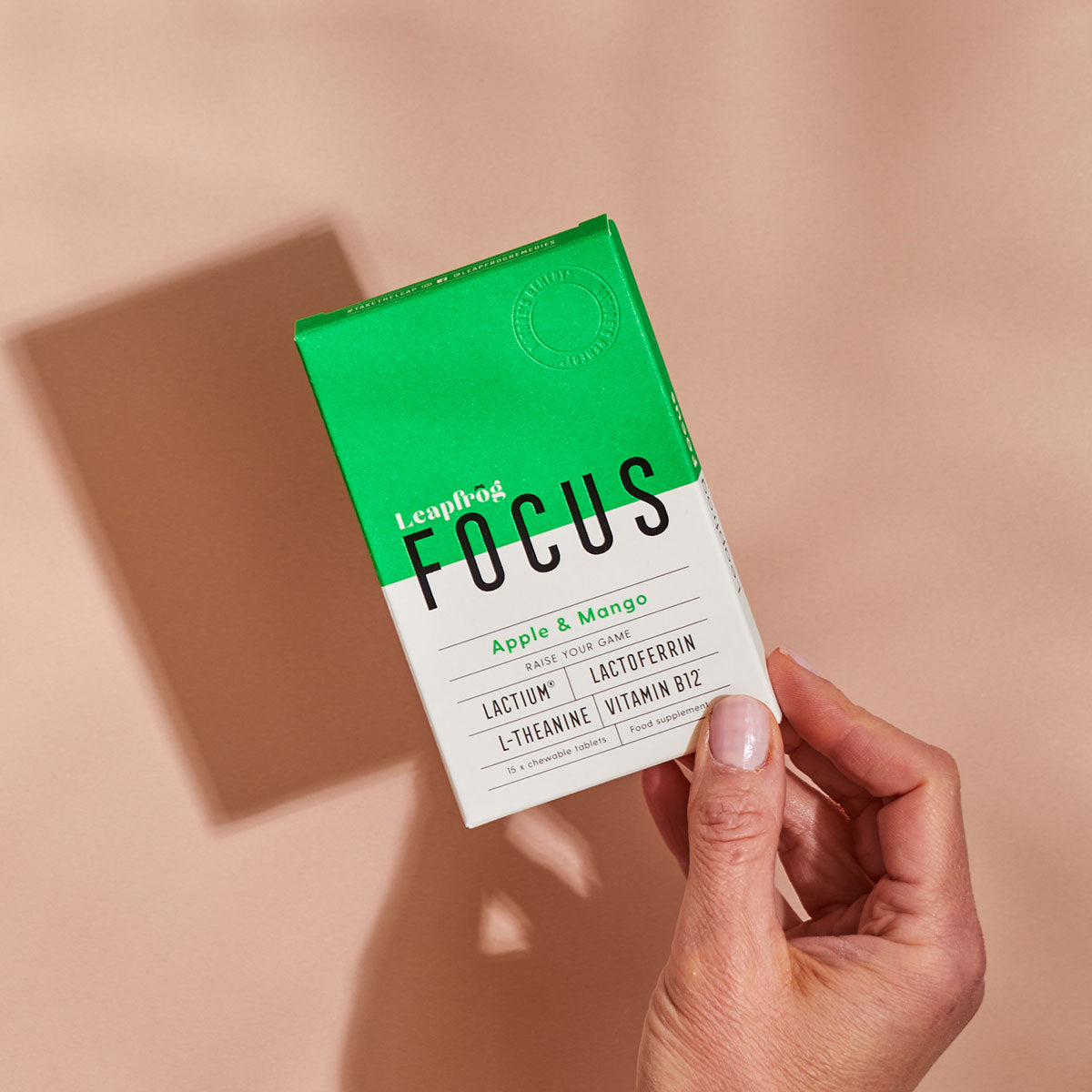
Lactoferrin is part of the body's innate defence system and has been studied for its antimicrobial and immune-modulating properties. Research has explored its potential role across a range of infections, including respiratory infections, with studies suggesting promising effects. Hence, lactoferrin is promising immune support, making it the hero ingredient of Leapfrog's range.

The Leapfrog approach: the Pulse Method
Leapfrog is approaching this September differently: not a month when parents need to panic about immunity, but as a point in the year when it makes sense to be a little more intentional about supporting it. This is where the Pulse Method comes in.
Rather than suggesting that families need to take immune supplements continuously throughout the year, Leapfrog has designed a simple routine around the rhythm of the school year, with targeted support during periods when families are likely to be thinking most about seasonal immune health.
At the centre of the approach is Leapfrog IMMUNE, a chewable immune-support supplement containing 250mg of high-purity bovine lactoferrin, 5mg of zinc and 40mg of vitamin C per tablet. Lactoferrin provides the hero ingredient, while vitamin C and zinc contribute to normal immune function. The tablets are chewable, require no water and are designed to make supplementation straightforward for both children and adults.
IMMUNE is suitable for children from four years old, making it particularly easy to incorporate into a family routine. Children aged 4-11 are directed to take one tablet per day, while the product guidance for adults and children over 12 allows one to two tablets per day.
For the back-to-school routine, the Pulse Method is simple: one IMMUNE tablet daily during the first month of term, a month off in October, then back into the routine during November and December, when respiratory viruses are typically more prevalent and family life becomes increasingly indoor and busy. Some choose to take it two weeks on, two weeks off and that’s fine too.
This helps create a straightforward seasonal routine that fits around real family life, providing targeted nutritional support during the parts of the year when parents are most likely to be concerned about staying well.
September is the reset, not the whole story
September is not when the immune system suddenly fails, but it is a natural reset point as school, routines, indoor time and contact patterns all change, making it a useful moment to focus on family immune support before winter arrives.
The beauty of approaching September as a reset point is that it does not require you to do everything at once. You do not need to overhaul the family's diet, buy ten different supplements, disinfect every surface in the house and panic if someone stays up half an hour too late. The aim is much simpler: get the family back into a rhythm that supports normal immune function and then build from there.
Start bringing sleep back into line before school begins. Get regular meals back on the calendar. Keep water bottles filled. Make outdoor time part of the week. Ventilate shared indoor spaces when practical. Review vitamin D needs as autumn approaches and, if you want to add targeted nutritional support, consider where something like lactoferrin fits into the family's routine. Then, when the first cough inevitably appears somewhere in the house, you are not starting from scratch.
Your September family immune health checklist
- Gradually reset bedtimes and wake-up times rather than changing everything overnight.
- Get regular family meals back into the routine, with plenty of variety, protein, fruit and vegetables and higher-fibre foods.
- Make water easy for children to access throughout the school day.
- Build outdoor time and movement back into everyday family life.
- Ventilate indoor spaces when practical, particularly when several people are sharing a room.
- Review your family's vitamin D needs as autumn approaches and follow appropriate UK guidance.
- Consider whether targeted nutritional support such as lactoferrin fits into your family's routine.
- Keep IMMUNE close to hand to take at the first sign of the sniffles, or take preventatively on the Pulse Method - one tablet daily during September, pause in October, then return to the routine in November and December. Or two weeks on, two weeks off if you prefer.
- Remember that supplements sit alongside the things that matter all year round, including sleep, nutrition, movement, hygiene, vaccination and appropriate medical care.
Reference list
Alqarni, Z., Rezgui, Y., Petri, I. and Ghoroghi, A. (2024). Viral infection transmission and indoor air quality: A systematic review. Science of The Total Environment, 923, p.171308. doi:10.1016/j.scitotenv.2024.171308.
Dierick, M., Vanrompay, D., Devriendt, B. and Cox, E. (2021). Lactoferrin, a versatile natural antimicrobial glycoprotein that modulates the host’s innate immunity. Biochemistry and Cell Biology, 99(1), pp.61–65. doi:10.1139/bcb-2020-0080.
Jackson, C., Vynnycky, E., Hawker, J., Olowokure, B. and Mangtani, P. (2013). School closures and influenza: Systematic review of epidemiological studies. BMJ Open, 3(2), p.e002149. doi:10.1136/bmjopen-2012-002149.
Jackson, C., Vynnycky, E. and Mangtani, P. (2013). The relation between school holidays and transmission of influenza: Modelling analysis of seasonal influenza data from England and Wales. The Lancet, 382, p.S50. doi:10.1016/s0140-6736(13)62475-7.
Robinson, C.H., Albury, C., McCartney, D., Fletcher, B., Roberts, N., Jury, I. and Lee, J. (2021). The relationship between duration and quality of sleep and upper respiratory tract infections: A systematic review. Family Practice. doi:10.1093/fampra/cmab033.
Rondanelli, M., Miccono, A., Lamburghini, S., Avanzato, I., Riva, A., Allegrini, P., Faliva, M.A., Peroni, G., Nichetti, M. and Perna, S. (2018). Self-care for common colds: The pivotal role of vitamin D, vitamin C, zinc, and echinacea in three main immune interactive clusters (physical barriers, innate and adaptive immunity) involved during an episode of common colds—Practical advice on dosages and on the time to take these nutrients/botanicals in order to prevent or treat common colds. Evidence-Based Complementary and Alternative Medicine, [online] 2018, pp.1–36. doi:10.1155/2018/5813095.
Wagatsuma, K., Bird, P.W., Saito, R. and Tang, J.W. (2026). Comparing school term and holiday seasonal respiratory virus detection rates in hospitalised children, 2019–2024. Diagnostic Microbiology and Infectious Disease, 115(1), p.117295. doi:10.1016/j.diagmicrobio.2026.117295.