Does Your Immune System Have a Biological Age?
Your birthday marks the years you've spent on this planet, but your immune system might be telling a rather different story. Scientists are beginning to understand how our immune defences change as we age, why some people experience these changes earlier than others, and how everyday lifestyle choices might help bolster these vital systems throughout life.
Imagine two people celebrating their sixtieth birthday, still beneath the surface, their immune systems tell completely different stories. While one person's immune defences might remain relatively flexible and reactive, the other could show signs of chronic inflammation and a less effective response to new infections. Although they share the same chronological age, their immune systems may be ageing at very different rates.
This possibility is more than just intriguing, as new research is beginning to reveal how differently our immune systems change throughout life.
In October 2026, researchers published a landmark study in Immunity, analysing approximately 12.4 million immune cells from 2,609 adults to investigate how human immunity changes with age. By examining different populations of immune cells in participants' blood, researchers found patterns associated with healthier ageing and others linked to inflammation, chronic disease, and mortality risk.
Their data show that immune ageing isn't simply a matter of getting older, but rather a complex biological process that unfolds differently from person to person, with potentially important consequences for long-term health.
So, could your immune system have its own biological age? And, perhaps more importantly, what happens to our immune defences as the years go by?
Your immune system ages too
When we picture ageing, we often think about the visible changes that happen over time, from wrinkles and grey hair to gradually declining muscle mass. However, some of the most significant changes associated with ageing happen underneath the surface, mainly within the immune system, where the cells responsible for protecting us gradually change in number, diversity, and ability to respond to novel challenges.
Our immune system is a complex network of organs, tissues, and specialised cells that work together to recognise and respond to possible threats. Broadly, it relies on two interconnected branches: the innate immune system, which provides our first line of defence through cells such as neutrophils and macrophages, and the adaptive immune system, which uses specialised T cells and B cells to recognise particular pathogens and form targeted responses.
Although both branches are affected by ageing, one of the most important changes occurs in the adaptive immune system, particularly in T-cell production and function.
As we get older, the thymus, a small organ located behind the breastbone, gradually shrinks and becomes less active through a process known as thymic involution. The thymus is particularly important during early life because it is where immature T cells develop and mature before entering circulation, ready to recognise unfamiliar infections.
As the thymus becomes less active, the production of new T cells gradually declines, meaning that the body has fewer newly generated immune cells available to recognise previously encountered threats or respond to unfamiliar pathogens. Although existing T cells can continue to survive and multiply, the overall diversity of the T-cell population can become more restricted over time.
This may explain why older adults find it harder to mount effective immune responses to new infections, or why their responses to certain vaccinations may differ from those of younger people.
Changes also occur in B cells, which produce antibodies that help recognise and neutralise pathogens. As we age, the production of new B cells and the quality of antibody responses can decline, possibly making it harder for the body to generate effective protection against unfamiliar infections.
Together, these changes add to a process known as immunosenescence, describing the gradual remodelling and deterioration of immune function associated with ageing. Rather than the immune system simply switching off, its composition and behaviour change, with some immune responses becoming less effective while other inflammatory processes become increasingly active.
Why some immune systems age differently
Although immunosenescence is a natural part of ageing, it doesn't happen at the same rate in everyone, which raises an interesting question: why do some people maintain relatively healthy immune profiles as they get older, while others undergo more pronounced changes?
The 2026 study, involving researchers from King's College London, Washington University School of Medicine and Nationwide Children's Hospital, set out to investigate this variation by examining immune-cell populations across several ages, sexes and ancestries precisely.
Researchers identified age-related changes across 59 different immune-cell populations, with one particularly interesting finding involving CD8+ effector memory T cells. These cells are part of the adaptive immune system and play an important role in recognising and destroying infected or abnormal cells.
The researchers examined the balance between two populations of these cells, identified by the proteins granzyme K (GZMK) and granzyme B (GZMB), which are involved in immune-cell activity and destroying target cells.
They found that the ratio between GZMK-positive and GZMB-positive effector memory T cells helped distinguish different immune ageing patterns. A higher representation of GZMB-positive cells was associated with immune profiles linked to greater inflammation and less favourable health trajectories. However, these relationships varied across populations and were affected by factors including chronic viral exposure.
This is particularly interesting because it suggests that the composition of our immune cells, rather than simply their total number, may provide important clues about how our immune system is ageing.
Some participants displayed immune profiles associated with healthier ageing, while others showed patterns linked to inflammation, chronic disease and increased mortality risk. Importantly, these differences weren't restricted to people in their seventies or eighties, showing how immune ageing can vary considerably between individuals across adulthood.
The data show that our immune age and the number of birthdays we've celebrated aren't necessarily in sync, with factors like genetics, previous infections, chronic inflammation, and environmental exposures likely shaping how our immune systems change over time.
Scientists believe that understanding these cellular differences could eventually help develop more sophisticated blood tests to identify people at greater risk of age-related disease before symptoms appear. For now, however, these approaches remain experimental, as immune ageing is a complex process and no single blood test can capture the full picture of someone's biological health.
The inflammation connection
Alongside changes in immune-cell populations and their ability to respond to infections, another important feature of immune ageing is the gradual increase in persistent, low-grade inflammation, a process known as inflammaging.
Inflammation is a normal and necessary part of the immune response, helping the body recognise possible threats, recruit immune cells and coordinate a response when we encounter an infection or sustain an injury. Once the threat has been dealt with, these inflammatory signals should gradually settle, allowing the body to return to its normal state.
However, as we age, this process can become less effectively regulated, with inflammatory signals remaining elevated even when there isn't an obvious infection or injury requiring an immune response.
Multiple biological changes may contribute, including the accumulation of ageing or damaged cells, repeated exposure to infections, and changes in how immune cells communicate. Some ageing cells can release inflammatory molecules that influence their surrounding tissues, creating an environment in which low-level inflammation becomes increasingly persistent.
This creates an interesting relationship between immunosenescence and inflammaging, as declining immune function can cause persistent inflammation, whereas prolonged inflammatory activity can further impair normal immune-cell function.
Persistent inflammation has been associated with several age-related conditions, including cardiovascular disease, metabolic dysfunction and declining physical function. Although inflammation is not the sole cause of these conditions, it is increasingly recognised as an important feature of biological ageing and a major focus of immunology research.
Importantly, this doesn't mean that inflammation is inherently bad, as our bodies depend on it to defend against infections and repair damaged tissue. Rather, the challenge as we age is retaining the ability to mount an appropriate inflammatory response when needed, while allowing it to resolve once the threat has passed.
Supporting your immune system throughout life

Although researchers are still investigating the mechanisms behind immune ageing and whether its progression can be influenced, several well-established lifestyle habits can support normal immune function and help promote healthier ageing.
Some of the most effective ways to look after your immune health include:
- Stay physically active. Regular exercise promotes immune regulation and is associated with healthier ageing, with consistent movement helping to maintain cardiovascular and metabolic health while supporting the normal circulation and activity of immune cells. Whether it's walking, swimming, strength training or cycling, finding activities you enjoy can make it easier to build movement into your everyday routine.
- Prioritise sleep. Sleep plays an important role in immune regulation and recovery, allowing the body to coordinate immune responses and maintain the balance of inflammatory signalling. Consistently getting too little sleep can affect immune function, so maintaining a regular sleep routine and allowing enough time for rest should be an important part of looking after your health.
- Eat a varied, nutrient-dense diet. A balanced diet provides the protein, fibre, vitamins and minerals needed to support normal immune function. At the same time, a variety of plant-based foods can also help nourish the gut microbiome, which plays an important part in communication between the digestive and immune systems. Including a wide range of colourful vegetables, fruits, whole grains, legumes and protein sources can help ensure your body receives the nutrients it needs.
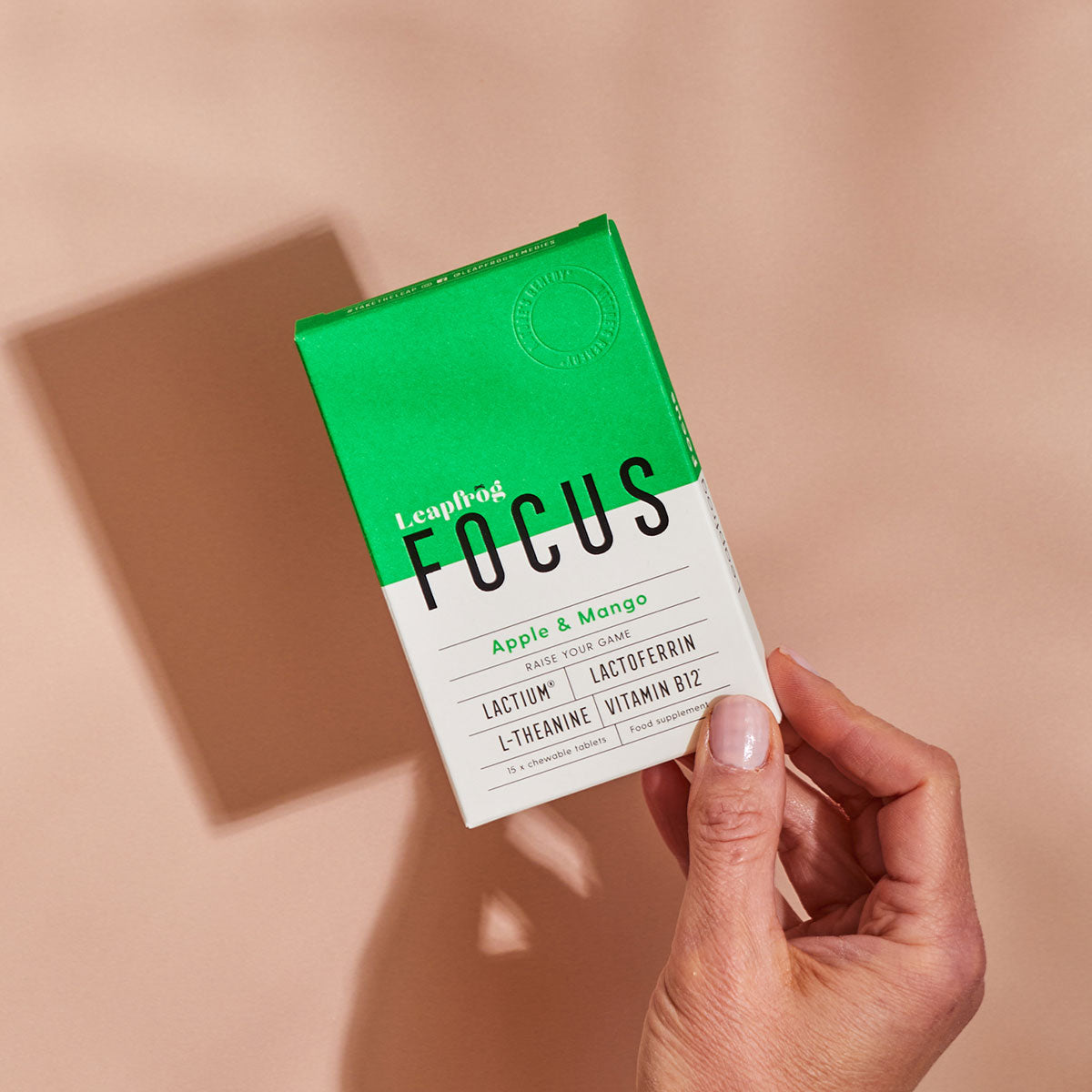
- Consider supplementation and your vitamin intake. While a varied diet should provide many of the nutrients needed for normal immune function, supplements can help support nutritional intake where dietary gaps exist or additional nutritional support is needed. Vitamins C and D, along with zinc, are particularly important because they all contribute to normal immune function. Leapfrog Remedies' IMMUNE combines lactoferrin with vitamin C and zinc, while DAILY provides lactoferrin alongside vitamins C, D, E and K2, as well as zinc. Both formulations bring together nutrients involved in normal immune function and can complement a balanced diet and healthy lifestyle as part of an everyday wellbeing routine.
- Maintain healthy metabolic function. Metabolic health is closely connected to immune function, as factors such as blood glucose regulation and cardiovascular health can influence inflammatory processes throughout the body. Supporting metabolic health through regular movement, balanced nutrition and appropriate healthcare can therefore aid overall wellbeing as we age.
- Keep up with vaccinations and preventive healthcare. Looking after your immune system involves more than nutrition and lifestyle choices, as vaccinations help it recognise specific infections. Periodic health checks and appropriate screening can also support identifying potential health concerns earlier. Staying up to date with recommended vaccinations and managing existing health conditions are important ways to protect your health throughout life.
The future of immune ageing
The idea that our immune systems have their own biological age opens up some stimulating chances for understanding why some people remain relatively healthy as they get older, while others experience age-related changes much earlier in life.
Researchers are increasingly interested in identifying the cellular and molecular patterns that distinguish healthier immune ageing from immune dysfunction, hoping that a better insight into these processes could eventually help identify individuals at greater risk of age-related disease and guide strategies to support healthier ageing.
Although we cannot stop the ageing process, understanding how our immune systems change throughout life reinforces the importance of looking after the biological systems that protect us every day. From regular movement and refreshing sleep to a varied diet and adequate nutrition, the small choices we make consistently can support our overall health and wellbeing over time.
Healthy ageing isn't simply about living longer; it's about retaining the biological capacity that helps us stay healthy, active, and responsive to life's challenges. Supporting your immune health isn't simply about getting through winter, but about looking after the systems that help protect you throughout your life.
Reference list
Bowman, A. (2024). Aging and the immune system: Strengthening your body’s defenses. [online] Mayo Clinic Press. Available at: https://mcpress.mayoclinic.org/healthy-aging/aging-and-the-immune-system/ [Accessed 9 Nov. 2026].
Bracken, O.V., Roel and Akbar, A.N. (2025). Enhancing immunity during ageing by targeting interactions within the tissue environment. Nature Reviews Drug Discovery. [online] doi:10.1038/s41573-024-01126-9.
Goyani, P., Christodoulou, R. and Vassiliou, E. (2024). Immunosenescence: Aging and immune system decline. Vaccines, [online] 12(12), p.1314. doi:10.3390/vaccines12121314.
Terekhova, M., et al (2026). Single-cell analyses of global cohorts outline determinants of immune aging and link the ratio of GZMK+ to GZMB+ TEM cells to health trajectories. Immunity. [online] doi:10.1016/j.immuni.2026.09.012.